


- Afhalen na 1 uur in een winkel met voorraad
- Gratis thuislevering in België vanaf € 30
- Ruim aanbod met 7 miljoen producten
- Afhalen na 1 uur in een winkel met voorraad
- Gratis thuislevering in België vanaf € 30
- Ruim aanbod met 7 miljoen producten





€ 54,45
+ 108 punten
Uitvoering
Eenvoudig bestellen
Veilig betalen


Gratis thuislevering vanaf € 30 (via bpost)
Gratis levering in je Standaard Boekhandel
Omschrijving
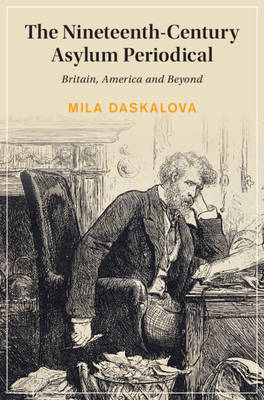
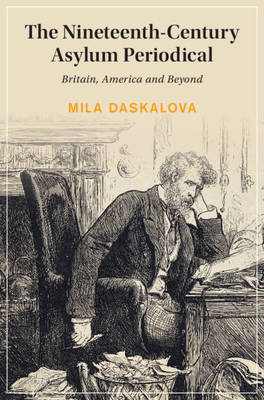
Unearthing primary sources from a large transatlantic archive, this first book-length study of asylum periodicals in the nineteenth century traces the origins and early spread of periodical publishing in mental institutions in Britain, the United States, and the rest of the world. It connects the rise of asylum periodicals with developments in publishing, literary culture, and the treatment of madness, illuminating the social and print networks that supported their spread. Examining the complicated relationships involved in asylum publishing, Mila Daskalova highlights the role of print in self-expression, community building and identity formation. It shows that patients employed these publications to navigate their institutional reality and to interact with each other and the world. Rather than powerless recipients of care or abuse, periodical contributors participated actively in their treatment and cultural and social life within and beyond the institutions. This title is also available as open access on Cambridge Core.
Specificaties
Betrokkenen
- Auteur(s):
- Uitgeverij:
Inhoud
- Aantal bladzijden:
- 250
- Taal:
- Engels
- Reeks:
- Reeksnummer:
- nr. 157
Eigenschappen
- Productcode (EAN):
- 9781009785327
- Verschijningsdatum:
- 30/06/2026
- Uitvoering:
- Paperback
- Formaat:
- Trade paperback (VS)


Alleen bij Standaard Boekhandel
+ 108 punten op je klantenkaart van Standaard Boekhandel
CADEAU

AANGERADEN


Beoordelingen
We publiceren alleen reviews die voldoen aan de voorwaarden voor reviews. Bekijk onze voorwaarden voor reviews.