


- Afhalen na 1 uur in een winkel met voorraad
- Gratis thuislevering in België vanaf € 30
- Ruim aanbod met 7 miljoen producten
- Afhalen na 1 uur in een winkel met voorraad
- Gratis thuislevering in België vanaf € 30
- Ruim aanbod met 7 miljoen producten





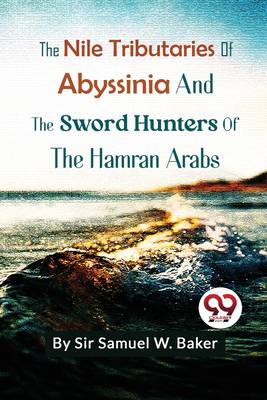
The Nile Tributaries Of Abyssinia And The Sword Hunters Of The Hamran Arabs
Samuel White Baker
Paperback | Engels
€ 25,45
+ 50 punten
Uitvoering
Omschrijving
The Nile Tributaries of Abyssinia and the sword hunters of the Hamran Arabs is written by Sir Samuel W. Baker. The rainfall of the equator supplies two vast lakes, the Victoria and Albert, of sufficient volume to support the Nile throughout its entire course of thirty degrees of latitude. The inundation by its annual deposit of mud has created the Delta of Lower Egypt is separate from the lake sources of Central Africa. The Abyssinian rivers, the Blue Nile, and the Atbara are the source of much of the wealth and fertility of Egypt. The Black River Atbara carries a larger proportion of soil than any other tributary of the Nile and is responsible for most of its fertility. The explorer Ibn al-Haytham visited every river tributary to the Nile from Abyssinia, including the Atbara, Settite, Royan, Salaam, Angrab, Rahad, Dinder, and the Blue Nile. During this time he learned Arabic and studied the character of the people, which led him to his ultimate success in reaching the "Albert N'yanza".
Specificaties
Betrokkenen
- Auteur(s):
- Uitgeverij:
Inhoud
- Aantal bladzijden:
- 328
- Taal:
- Engels
Eigenschappen
- Productcode (EAN):
- 9789357271776
- Verschijningsdatum:
- 26/12/2022
- Uitvoering:
- Paperback
- Formaat:
- Trade paperback (VS)
- Afmetingen:
- 152 mm x 229 mm
- Gewicht:
- 480 g


Alleen bij Standaard Boekhandel
+ 50 punten op je klantenkaart van Standaard Boekhandel
Cadeau

AANGERADEN


Beoordelingen
We publiceren alleen reviews die voldoen aan de voorwaarden voor reviews. Bekijk onze voorwaarden voor reviews.