


- Afhalen na 1 uur in een winkel met voorraad
- Gratis thuislevering in België vanaf € 30
- Ruim aanbod met 7 miljoen producten
- Afhalen na 1 uur in een winkel met voorraad
- Gratis thuislevering in België vanaf € 30
- Ruim aanbod met 7 miljoen producten




€ 69,45
+ 138 punten
Omschrijving
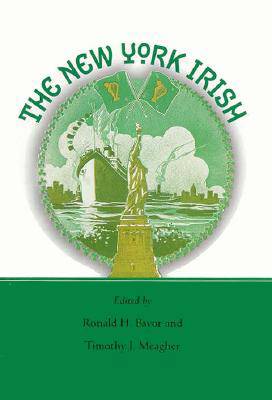
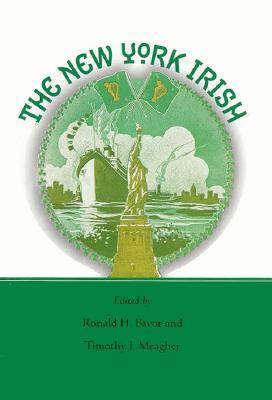
The New York Irish tells the sweeping story of these immigrants and their descendants. From the first Irish residents of Dutch New Amsterdam to the politically influential United Irish exiles a century later, from the gallant "Union Green" patriots in the Civil War to the dramatic rise and fall of Irish political dominance in the twentieth century, the history of the Irish in New York is almost as old as the city itself. Intellectuals and artists, politicians, and poets, gangsters and priests - all have played a central role in the city's history. Americans generally recognize the Irish who taught New Yorkers how to play baseball (John McGraw) and how to sing (George M. Cohan). Famous Irishmen have served as the city's mayor (DeWitt Clinton) and archbishop (Francis Cardinal Spellman). We are familiar with Irish heroes in the struggles against American sexism (Margaret Higgins Sanger) and, in World War I, Prussian militarism ("Fighting Father" Duffy). We know the controversial poet Frank O'Hara and political commentator William F. Buckley. Yet it was perhaps the lesser known Irish men and women who had the greatest impact on the city's history. Simply consider their strong backs and dextrous fingers; the cheap labor that more than 150,000 Irish immigrants supplied in the mid-nineteenth century fueled the city's skyrocketing economic growth. By 1860 one of every four New Yorkers was an Irish immigrant. Would the city have grown as fast or as big without them? What effect did their overwhelming numbers have on the city's labor movement, on race relations, on neighborhood development, or even on the unique blend of saloons, songs, prizefighting, and "New Yawk" dialect that helped create adistinctive, nationally recognized working-class culture? The New York Irish provides a vivid example of how newcomers encountered America, successfully assimilated, and yet retained their ethnic and cultural identity. The authors examine Irish-American life in the city while addr
Specificaties
Betrokkenen
- Auteur(s):
- Uitgeverij:
Inhoud
- Aantal bladzijden:
- 768
- Taal:
- Engels
Eigenschappen
- Productcode (EAN):
- 9780801857645
- Verschijningsdatum:
- 1/09/1997
- Uitvoering:
- Paperback
- Formaat:
- Trade paperback (VS)
- Afmetingen:
- 175 mm x 253 mm
- Gewicht:
- 1129 g


Alleen bij Standaard Boekhandel
+ 138 punten op je klantenkaart van Standaard Boekhandel
Cadeau

AANGERADEN


Beoordelingen
We publiceren alleen reviews die voldoen aan de voorwaarden voor reviews. Bekijk onze voorwaarden voor reviews.