


- Afhalen na 1 uur in een winkel met voorraad
- Gratis thuislevering in België vanaf € 30
- Ruim aanbod met 7 miljoen producten
- Afhalen na 1 uur in een winkel met voorraad
- Gratis thuislevering in België vanaf € 30
- Ruim aanbod met 7 miljoen producten





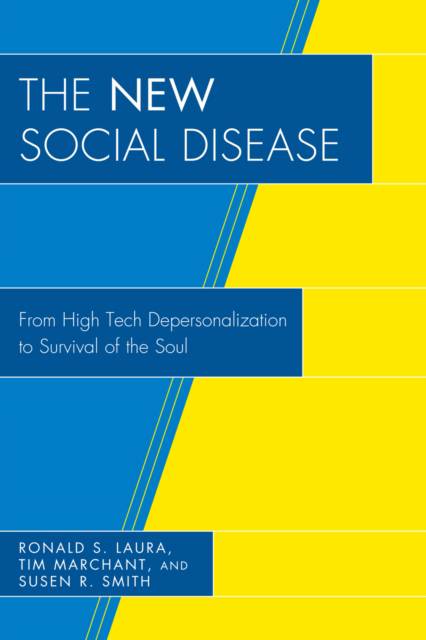
The New Social Disease
From High Tech Depersonalization to Survival of the Soul
Ronald S Laura, Tim Marchant, Susen R Smith
Paperback | Engels
€ 88,45
+ 176 punten
Omschrijving
Highly technological machines are invading our lives and separating us from personal relationships. The balance between the use of technology for human advantage and developing valued human relationships has yet to equal, and we continue to subject ourselves to a rapidly growing sense of depersonalization. The New Social Disease is about how we personalize our computers and associated technologies while depersonalizing others and ourselves. The well-researched content will provide readers with insights into how the increased use of technology-mediated communications has affected the way in which we live our lives, resulting in loneliness, depression, social isolation, and ultimately a rise in uncivil behaviors based upon frustration hopelessness and the devaluation of human life. Authors Laura, Marchant, and Smith explore the prevalence of uncivil behaviors in the world and in our schools, combined with increased physical and mental health problems, in an aim to explore the depersonalization of the school curriculum and provide ways to repersonalize education contexts.
Specificaties
Betrokkenen
- Auteur(s):
- Uitgeverij:
Inhoud
- Aantal bladzijden:
- 198
- Taal:
- Engels
Eigenschappen
- Productcode (EAN):
- 9780761841210
- Verschijningsdatum:
- 4/07/2008
- Uitvoering:
- Paperback
- Formaat:
- Trade paperback (VS)
- Afmetingen:
- 150 mm x 226 mm
- Gewicht:
- 317 g


Alleen bij Standaard Boekhandel
+ 176 punten op je klantenkaart van Standaard Boekhandel
AANGERADEN


Beoordelingen
We publiceren alleen reviews die voldoen aan de voorwaarden voor reviews. Bekijk onze voorwaarden voor reviews.