


- Afhalen na 1 uur in een winkel met voorraad
- Gratis thuislevering in België vanaf € 30
- Ruim aanbod met 7 miljoen producten
- Afhalen na 1 uur in een winkel met voorraad
- Gratis thuislevering in België vanaf € 30
- Ruim aanbod met 7 miljoen producten





€ 10,05
+ 10 punten
Uitvoering
Omschrijving
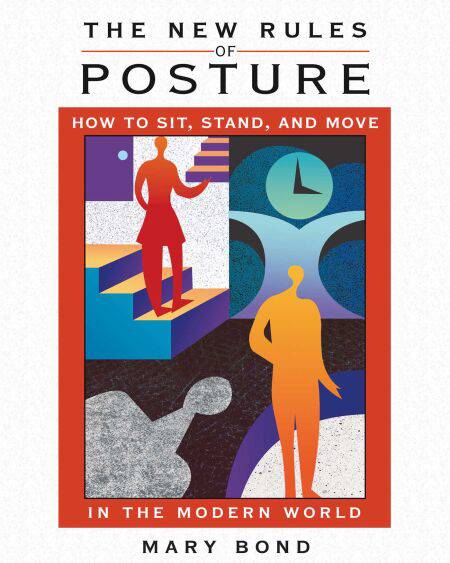
A manual for understanding the anatomical and emotional components of posture in order to heal chronic pain
• Contains self-help exercises and ergonomics information to help correct unhealthy movement patterns
• Teaches how to adopt suitable posture in the modern sedentary world
Many people cause their own back and body pain through their everyday bad postural and movement habits. Many sense that their poor posture is probably the root of the problem, but they are unable to change long-standing habits.
In The New Rules of Posture, Mary Bond approaches postural changes from the inside out. She explains that healthy posture comes from a new sense we can learn to feel, not by training our muscles into an ideal shape. Drawing from 35 years of helping people improve their bodies, she shows how habitual movement patterns and emotional factors lead to unhealthy posture. She contends that posture is the physical action we take to orient ourselves in relation to situations, emotions, and people; in order to improve our posture, we need to examine both our physical postural traits and the self-expression that underlies the way we sit, stand, and move. The way we walk, she says, is our body’s signature.
Bond identifies the key anatomical features that impact alignment, particularly in light of our modern sedentary lives, and proposes six zones that help create postural changes: the pelvic floor, the breathing muscles, the abdomen, the hands, the feet, and the head. She offers self-help exercises that enable healthy function in each zone as well as information on basic ergonomics and case histories to inspire us to think about our own habitual movements. This book is a resource for Pilates, yoga, and dance instructors as well as healthcare professionals in educating people about postural self-care so they can relieve chronic pain and enjoy all life activities with greater ease.
• Contains self-help exercises and ergonomics information to help correct unhealthy movement patterns
• Teaches how to adopt suitable posture in the modern sedentary world
Many people cause their own back and body pain through their everyday bad postural and movement habits. Many sense that their poor posture is probably the root of the problem, but they are unable to change long-standing habits.
In The New Rules of Posture, Mary Bond approaches postural changes from the inside out. She explains that healthy posture comes from a new sense we can learn to feel, not by training our muscles into an ideal shape. Drawing from 35 years of helping people improve their bodies, she shows how habitual movement patterns and emotional factors lead to unhealthy posture. She contends that posture is the physical action we take to orient ourselves in relation to situations, emotions, and people; in order to improve our posture, we need to examine both our physical postural traits and the self-expression that underlies the way we sit, stand, and move. The way we walk, she says, is our body’s signature.
Bond identifies the key anatomical features that impact alignment, particularly in light of our modern sedentary lives, and proposes six zones that help create postural changes: the pelvic floor, the breathing muscles, the abdomen, the hands, the feet, and the head. She offers self-help exercises that enable healthy function in each zone as well as information on basic ergonomics and case histories to inspire us to think about our own habitual movements. This book is a resource for Pilates, yoga, and dance instructors as well as healthcare professionals in educating people about postural self-care so they can relieve chronic pain and enjoy all life activities with greater ease.
Specificaties
Betrokkenen
- Auteur(s):
- Uitgeverij:
Inhoud
- Aantal bladzijden:
- 240
- Taal:
- Engels
- Reeks:
Eigenschappen
- Productcode (EAN):
- 9781594779985
- Verschijningsdatum:
- 28/11/2006
- Uitvoering:
- E-book
- Beveiligd met:
- Adobe DRM
- Formaat:
- ePub


Alleen bij Standaard Boekhandel
+ 10 punten op je klantenkaart van Standaard Boekhandel
Cadeau

AANGERADEN


Beoordelingen
We publiceren alleen reviews die voldoen aan de voorwaarden voor reviews. Bekijk onze voorwaarden voor reviews.