


- Afhalen na 1 uur in een winkel met voorraad
- Gratis thuislevering in België vanaf € 30
- Ruim aanbod met 7 miljoen producten
- Afhalen na 1 uur in een winkel met voorraad
- Gratis thuislevering in België vanaf € 30
- Ruim aanbod met 7 miljoen producten





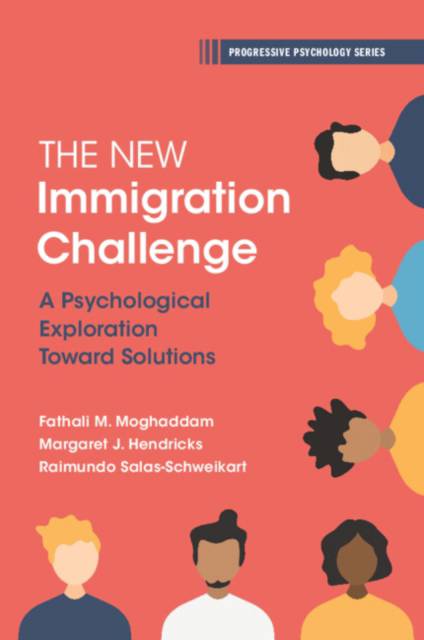
The New Immigration Challenge
A Psychological Exploration Toward Solutions
Fathali M Moghaddam, Margaret J Hendricks, Raimundo Salas Schweikart
€ 54,95
+ 109 punten
Uitvoering
Omschrijving
Due to shifting demographic trends and the increased need for workers, immigration continues to grow in many parts of the world. However, the increased diversity that immigration creates within societies is also associated with intergroup friction, perceived threat, and the rise of extremist right-wing nationalist movements, making it a central political issue that impacts societies globally. This book presents a psychological explanation of the immigration challenge in the 21st century and the ongoing backlash against immigrants by examining within nations and beyond national borders. It explains the relationship between immigration and national identity through an analysis of the intersection of globalization, deglobalization, and collective behavior. Addressing a crucial gap in existing literature, it applies a psychological perspective on immigration and offers new solutions to address the complex challenges facing minorities, asylum seekers, undocumented immigrants, and host society members.
Specificaties
Betrokkenen
- Auteur(s):
- Uitgeverij:
Inhoud
- Aantal bladzijden:
- 230
- Taal:
- Engels
- Reeks:
Eigenschappen
- Productcode (EAN):
- 9781009412162
- Verschijningsdatum:
- 22/01/2026
- Uitvoering:
- Paperback
- Formaat:
- Trade paperback (VS)
- Afmetingen:
- 152 mm x 229 mm
- Gewicht:
- 312 g


Alleen bij Standaard Boekhandel
+ 109 punten op je klantenkaart van Standaard Boekhandel
Cadeau

AANGERADEN


Beoordelingen
We publiceren alleen reviews die voldoen aan de voorwaarden voor reviews. Bekijk onze voorwaarden voor reviews.