


- Afhalen na 1 uur in een winkel met voorraad
- Gratis thuislevering in België vanaf € 30
- Ruim aanbod met 7 miljoen producten
- Afhalen na 1 uur in een winkel met voorraad
- Gratis thuislevering in België vanaf € 30
- Ruim aanbod met 7 miljoen producten





€ 48,95
+ 97 punten
Omschrijving
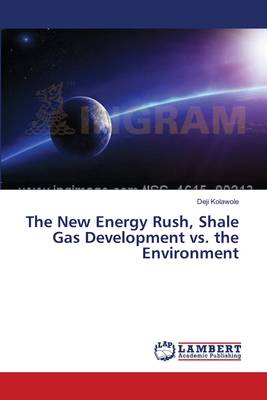
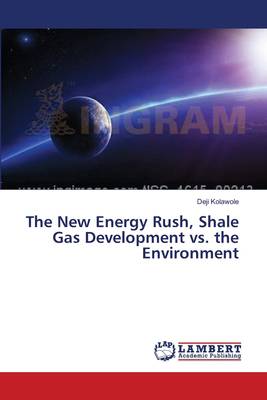
Shale gas has become a major talking point in terms of its potential as a future global energy source. The term "fracking" was relatively unknown at the turn of the millennium; this has changed due to the recent publicity the shale gas industry has received. The possibility of energy independence and security, coupled with the major technological advances made over the years, has made the shale gas industry economically viable and attractive, especially in countries like the US where it has flourished. This study provides insight into the impact of shale gas development in relation to: 1) national energy security; 2) the environment; and 3) the environmental challenges associated with shale gas extraction. For the purpose of this study, technical data from shale gas analysis, studies carried out by governments, academic organisations and green groups, articles and peer-reviewed articles from academia various media outlets and books related to fracking and shale gas exploration will be critically reviewed.
Specificaties
Betrokkenen
- Auteur(s):
- Uitgeverij:
Inhoud
- Aantal bladzijden:
- 80
- Taal:
- Engels
Eigenschappen
- Productcode (EAN):
- 9783659316142
- Verschijningsdatum:
- 27/05/2014
- Uitvoering:
- Paperback
- Afmetingen:
- 150 mm x 220 mm
- Gewicht:
- 127 g


Alleen bij Standaard Boekhandel
+ 97 punten op je klantenkaart van Standaard Boekhandel

Beoordelingen
We publiceren alleen reviews die voldoen aan de voorwaarden voor reviews. Bekijk onze voorwaarden voor reviews.