


- Afhalen na 1 uur in een winkel met voorraad
- Gratis thuislevering in België vanaf € 30
- Ruim aanbod met 7 miljoen producten
- Afhalen na 1 uur in een winkel met voorraad
- Gratis thuislevering in België vanaf € 30
- Ruim aanbod met 7 miljoen producten





€ 31,95
+ 63 punten
Omschrijving
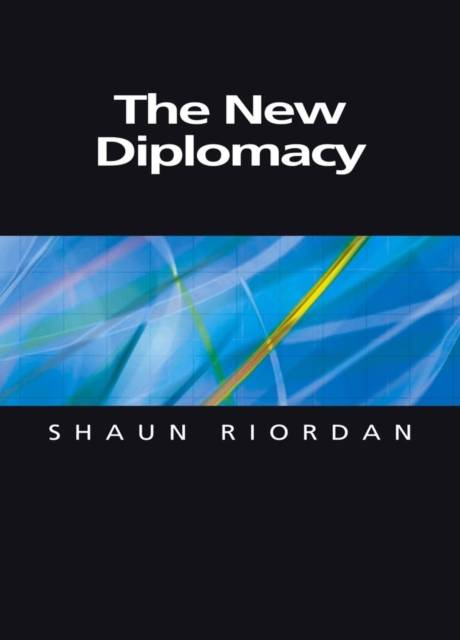
The world of international relations has changed radically in the last few years. Technological, social and political change have combined to undermine the traditional assumptions of diplomacy - in particular, the events of 11 September set in stark relief the risks and dangers.
Shaun Riordan, a former British diplomat, draws on his own experience, case studies, and current debates in international relations to assess the performance of diplomatic services and to sketch out the new diplomatic environment. Traditional diplomatic services and structures are found wanting.
Riordan argues forcibly against realpolitik and for a more pro-active diplomacy based on the promotion of ideas and values as a better way of securing the West's long-term interests. In doing so, he presses for radical re-structuring of diplomatic services, replacing hierarchical with networked structures, and the creation of new forms of global governance that incorporate NGOs and the private sector, as well as government officials, in a broader diplomatic effort.
Shaun Riordan, a former British diplomat, draws on his own experience, case studies, and current debates in international relations to assess the performance of diplomatic services and to sketch out the new diplomatic environment. Traditional diplomatic services and structures are found wanting.
Riordan argues forcibly against realpolitik and for a more pro-active diplomacy based on the promotion of ideas and values as a better way of securing the West's long-term interests. In doing so, he presses for radical re-structuring of diplomatic services, replacing hierarchical with networked structures, and the creation of new forms of global governance that incorporate NGOs and the private sector, as well as government officials, in a broader diplomatic effort.
Specificaties
Betrokkenen
- Auteur(s):
- Uitgeverij:
Inhoud
- Aantal bladzijden:
- 160
- Taal:
- Engels
- Reeks:
Eigenschappen
- Productcode (EAN):
- 9780745627908
- Verschijningsdatum:
- 13/12/2002
- Uitvoering:
- Paperback
- Formaat:
- Trade paperback (VS)
- Afmetingen:
- 139 mm x 189 mm
- Gewicht:
- 176 g



Alleen bij Standaard Boekhandel
+ 63 punten op je klantenkaart van Standaard Boekhandel
Cadeau

AANGERADEN


Beoordelingen
We publiceren alleen reviews die voldoen aan de voorwaarden voor reviews. Bekijk onze voorwaarden voor reviews.