


- Afhalen na 1 uur in een winkel met voorraad
- Gratis thuislevering in België vanaf € 30
- Ruim aanbod met 7 miljoen producten
- Afhalen na 1 uur in een winkel met voorraad
- Gratis thuislevering in België vanaf € 30
- Ruim aanbod met 7 miljoen producten





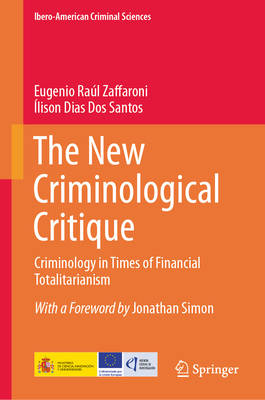
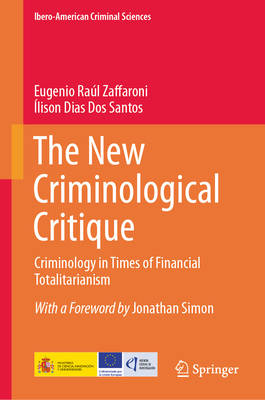
The New Criminological Critique
Criminology in Times of Financial Totalitarianism
Eugenio Raúl Zaffaroni, Ílison Dias Dos Santos
€ 75,95
+ 151 punten
Omschrijving
This book examines the rise of financial totalitarianism and its profound implications for criminal justice and criminological theory. It explores how the concentration of wealth and social exclusion, driven by corporate CEOs, has altered the role of politics in shaping criminal justice systems. The text argues that these shifts have given rise to a dystopian criminology, marked by a focus on total security, extreme prevention, zero tolerance policies, and pervasive surveillance. It critically assesses how these developments contribute to the criminalization of dissent, foster societal fears of outsiders, and institutionalize ethnic and cultural discrimination, all while maintaining a façade of administrative control. Drawing on historical and contemporary analysis, the book offers a framework for rethinking criminology in the context of financial and political power, advocating for a more critical approach to understanding crime, punishment, and justice in an increasingly unequal world.
Specificaties
Betrokkenen
- Auteur(s):
- Uitgeverij:
Inhoud
- Aantal bladzijden:
- 139
- Taal:
- Engels
- Reeks:
Eigenschappen
- Productcode (EAN):
- 9783032115348
- Verschijningsdatum:
- 4/02/2026
- Uitvoering:
- Hardcover
- Formaat:
- Genaaid
- Afmetingen:
- 156 mm x 234 mm
- Gewicht:
- 403 g


Alleen bij Standaard Boekhandel
+ 151 punten op je klantenkaart van Standaard Boekhandel
Cadeau

AANGERADEN


Beoordelingen
We publiceren alleen reviews die voldoen aan de voorwaarden voor reviews. Bekijk onze voorwaarden voor reviews.