


- Afhalen na 1 uur in een winkel met voorraad
- Gratis thuislevering in België vanaf € 30
- Ruim aanbod met 7 miljoen producten
- Afhalen na 1 uur in een winkel met voorraad
- Gratis thuislevering in België vanaf € 30
- Ruim aanbod met 7 miljoen producten





€ 44,95
+ 89 punten
Omschrijving
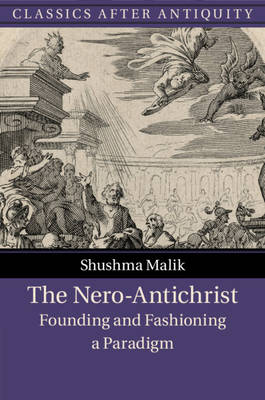
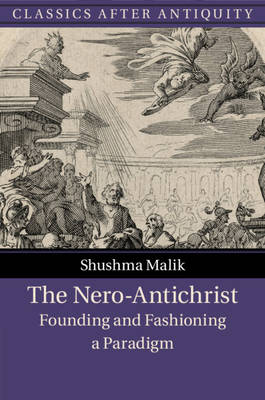
It has traditionally been assumed that biblical writers considered Nero to be the Antichrist.. This book refutes that view. Beginning by challenging the assumption that literary representations of Nero as tyrant would have been easily recognisable to those in the eastern Roman empire, where most Christian populations were located, Shushma Malik then deconstructs the associations often identified by scholars between Nero and the Antichrist in the New Testament. Instead, she demonstrates that the Nero-Antichrist paradigm was a product of late antiquity. Using now firmly established traits and themes from classical historiography, late-antique Christians used Nero as a means with which to explore and communicate the nature of the Antichrist. This proved successful, and the paradigm was revived in the nineteenth century in the works of philosophers, theologians, and novelists to inform debates about the era's fin-de-siècle anxieties and religious controversies.
Specificaties
Betrokkenen
- Auteur(s):
- Uitgeverij:
Inhoud
- Aantal bladzijden:
- 246
- Taal:
- Engels
- Reeks:
Eigenschappen
- Productcode (EAN):
- 9781108798358
- Verschijningsdatum:
- 8/02/2024
- Uitvoering:
- Paperback
- Formaat:
- Trade paperback (VS)
- Afmetingen:
- 152 mm x 229 mm
- Gewicht:
- 335 g


Alleen bij Standaard Boekhandel
+ 89 punten op je klantenkaart van Standaard Boekhandel
Cadeau

AANGERADEN


Beoordelingen
We publiceren alleen reviews die voldoen aan de voorwaarden voor reviews. Bekijk onze voorwaarden voor reviews.