



Je cadeautjes zeker op tijd in huis hebben voor de feestdagen? Kom langs in onze winkels en vind het perfecte geschenk!
- Afhalen na 1 uur in een winkel met voorraad
- Gratis thuislevering in België vanaf € 30
- Ruim aanbod met 7 miljoen producten
Je cadeautjes zeker op tijd in huis hebben voor de feestdagen? Kom langs in onze winkels en vind het perfecte geschenk!
- Afhalen na 1 uur in een winkel met voorraad
- Gratis thuislevering in België vanaf € 30
- Ruim aanbod met 7 miljoen producten





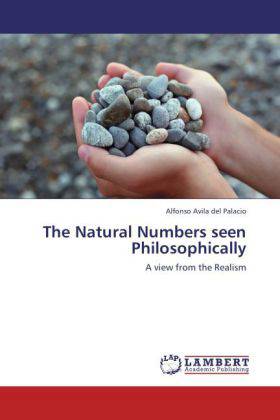
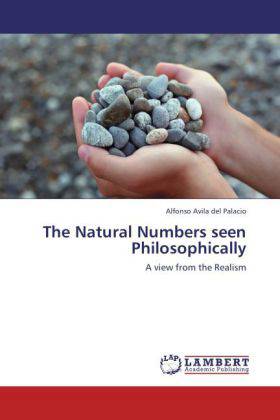
The Natural Numbers seen Philosophically
A view from the Realism
Alfonso Avila del Palacio
Paperback | Engels
€ 58,45
+ 116 punten
Omschrijving
The book proposes an ontology for natural numbers. It begins by clarifying that numbers and mathematics in general can be studied from two different main approaches: that of the philosopher and that of the mathematician. The focus of the book is philosophical. Once clarifying the above issues, the book proposes another distinction specifically for numbers. A distinction between first-, second-, and third-level numbers is proposed. Actual mathematical numbers comprese the second-level, which can be seen as idealized paintings of first-level numbers, which are concepts such as "units", "pairs" and "trios". These numbers are closely linked to empirical objects by example, grouping a pair of eyes with a pair of trees. Third-level numbers are those that have been built in metamathematics, as is the case of the Fregean and Peano's numbers, and even those of Euclid in terms of magnitudes. Regarding the ontology of the actual mathematical numbers, the book proposes that they are abstract objects that result from the mental counting process and that are symbolized and manipulated in arithmetic.
Specificaties
Betrokkenen
- Auteur(s):
- Uitgeverij:
Inhoud
- Aantal bladzijden:
- 132
- Taal:
- Engels
Eigenschappen
- Productcode (EAN):
- 9783846530115
- Uitvoering:
- Paperback


Alleen bij Standaard Boekhandel
+ 116 punten op je klantenkaart van Standaard Boekhandel
CADEAU


Beoordelingen
We publiceren alleen reviews die voldoen aan de voorwaarden voor reviews. Bekijk onze voorwaarden voor reviews.