


- Afhalen na 1 uur in een winkel met voorraad
- Gratis thuislevering in België vanaf € 30
- Ruim aanbod met 7 miljoen producten
- Afhalen na 1 uur in een winkel met voorraad
- Gratis thuislevering in België vanaf € 30
- Ruim aanbod met 7 miljoen producten





€ 80,95
+ 161 punten
Uitvoering
Omschrijving
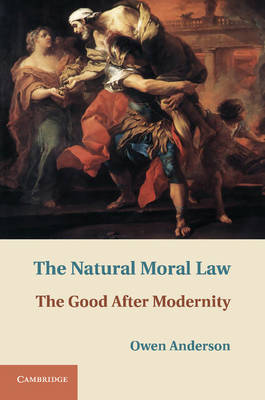
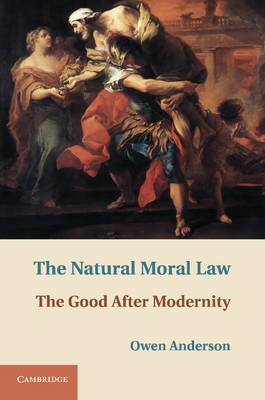
The Natural Moral Law argues that the good can be known and that therefore the moral law, which serves as a basis for human choice, can be understood. Proceeding historically through ancient, modern, and postmodern thinkers, Owen Anderson studies beliefs about the good and how it is known, and how such beliefs shape claims about the moral law. The focal challenge is whether the skepticism of postmodern thinkers can be answered in a way that preserves knowledge claims about the good. Considering the failures of modern thinkers to correctly articulate reason and the good and how postmodern thinkers are responding to these failures, Anderson argues that there are identifiable patterns of thinking about what is good, some of which lead to false dichotomies. The book concludes with a consideration of how a moral law might look if the good is correctly identified.
Specificaties
Betrokkenen
- Auteur(s):
- Uitgeverij:
Inhoud
- Aantal bladzijden:
- 320
- Taal:
- Engels
Eigenschappen
- Productcode (EAN):
- 9781107669758
- Verschijningsdatum:
- 20/06/2013
- Uitvoering:
- Paperback
- Formaat:
- Trade paperback (VS)
- Afmetingen:
- 152 mm x 229 mm
- Gewicht:
- 430 g


Alleen bij Standaard Boekhandel
+ 161 punten op je klantenkaart van Standaard Boekhandel
Cadeau

AANGERADEN


Beoordelingen
We publiceren alleen reviews die voldoen aan de voorwaarden voor reviews. Bekijk onze voorwaarden voor reviews.