


- Afhalen na 1 uur in een winkel met voorraad
- Gratis thuislevering in België vanaf € 30
- Ruim aanbod met 7 miljoen producten
- Afhalen na 1 uur in een winkel met voorraad
- Gratis thuislevering in België vanaf € 30
- Ruim aanbod met 7 miljoen producten




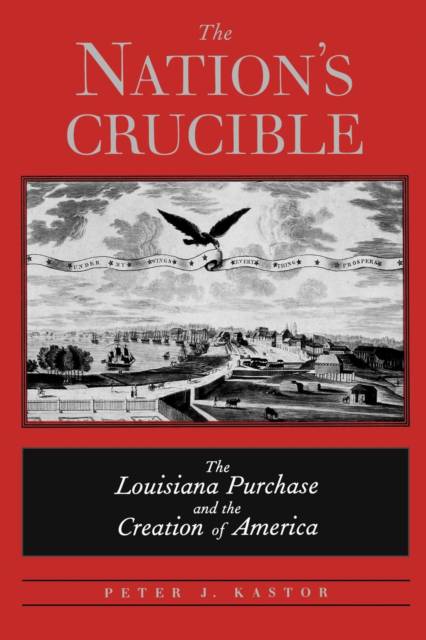
The Nation's Crucible
The Louisiana Purchase and the Creation of America
Peter J Kastor
Paperback | Engels
€ 74,95
+ 149 punten
Omschrijving
In 1803 the United States purchased Louisiana from France. This seemingly simple acquisition brought with it an enormous new territory as well as the country's first large population of nonnaturalized Americans-Native Americans, African Americans, and Francophone residents. What would become of those people dominated national affairs in the years that followed. This book chronicles that contentious period from 1803 to 1821, years during which people proposed numerous visions of the future for Louisiana and the United States. The Louisiana Purchase proved to be the crucible of American nationhood, Peter Kastor argues. The incorporation of Louisiana was among the most important tasks for a generation of federal policymakers. It also transformed the way people defined what it meant to be an American.
Specificaties
Betrokkenen
- Auteur(s):
- Uitgeverij:
Inhoud
- Aantal bladzijden:
- 336
- Taal:
- Engels
Eigenschappen
- Productcode (EAN):
- 9780300194616
- Verschijningsdatum:
- 19/10/2012
- Uitvoering:
- Paperback
- Formaat:
- Trade paperback (VS)
- Afmetingen:
- 152 mm x 229 mm
- Gewicht:
- 480 g


Alleen bij Standaard Boekhandel
+ 149 punten op je klantenkaart van Standaard Boekhandel
CADEAU

AANGERADEN


Beoordelingen
We publiceren alleen reviews die voldoen aan de voorwaarden voor reviews. Bekijk onze voorwaarden voor reviews.