


- Afhalen na 1 uur in een winkel met voorraad
- Gratis thuislevering in België vanaf € 30
- Ruim aanbod met 7 miljoen producten
- Afhalen na 1 uur in een winkel met voorraad
- Gratis thuislevering in België vanaf € 30
- Ruim aanbod met 7 miljoen producten





€ 305,45
+ 610 punten
Uitvoering
Omschrijving
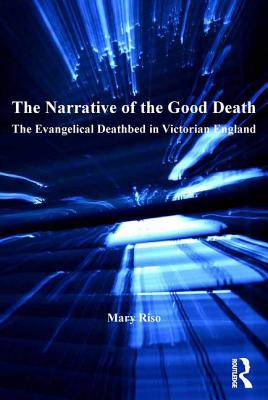
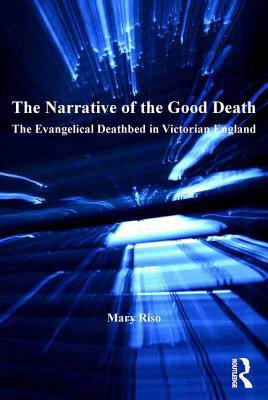
The Christian idea of a good death had its roots in the Middle Ages with ars moriendi, featuring reliance on Jesus as Savior, preparedness for the life to come and for any spiritual battle that might ensue when on the threshold of death, and death not taking place in isolation. Evangelicalism introduced new features to the good death, with its focus on conversion, sanctification and an intimate relationship with Jesus. Scholarship focused on mid-nineteenth-century evangelical Nonconformist beliefs about death and the afterlife is sparse. This book fills the gap, contributing an understanding not only of death but of the history of Methodist and evangelical Nonconformist piety, theology, social background and literary expression in mid-nineteenth-century England. A good death was as central to Methodism as conversion and holiness. Analyzing over 1,200 obituaries, Riso reveals that while the last words of the dying pointed to a timeless experience of hope in the life to come, the obituaries reflect changing attitudes towards death and the afterlife among nineteenth-century evangelical Nonconformist observers who looked increasingly to earthly existence for the fulfillment of hopes. Exploring tensions in Nonconformist allegiance to both worldly and spiritual matters, this book offers an invaluable contribution to death studies, Methodism, and Evangelical theology.
Specificaties
Betrokkenen
- Auteur(s):
- Uitgeverij:
Inhoud
- Aantal bladzijden:
- 292
- Taal:
- Engels
- Reeks:
Eigenschappen
- Productcode (EAN):
- 9781472446961
- Verschijningsdatum:
- 28/09/2015
- Uitvoering:
- Hardcover
- Formaat:
- Genaaid
- Afmetingen:
- 156 mm x 234 mm
- Gewicht:
- 589 g


Alleen bij Standaard Boekhandel
+ 610 punten op je klantenkaart van Standaard Boekhandel
Cadeau

AANGERADEN


Beoordelingen
We publiceren alleen reviews die voldoen aan de voorwaarden voor reviews. Bekijk onze voorwaarden voor reviews.