


- Afhalen na 1 uur in een winkel met voorraad
- Gratis thuislevering in België vanaf € 30
- Ruim aanbod met 7 miljoen producten
- Afhalen na 1 uur in een winkel met voorraad
- Gratis thuislevering in België vanaf € 30
- Ruim aanbod met 7 miljoen producten





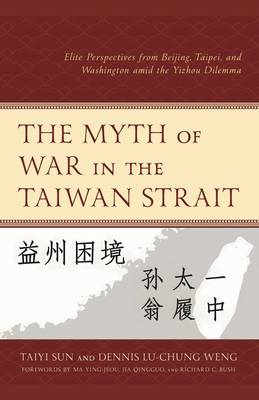
The Myth of War in the Taiwan Strait
Elite Perspectives from Beijing, Taipei, and Washington Amid the Yizhou Dilemma
Taiyi Sun, Dennis Lu-Chung Weng
Hardcover | Engels
€ 160,45
+ 320 punten
Omschrijving
The Myth of War in the Taiwan Strait: Elite Perspectives from Beijing, Taipei, and Washington amid the Yizhou Dilemma proposes a new framework of the "Yizhou dilemma" to capture the conundrum faced by a hegemony (the U.S.), a rising power (Mainland China), and the weaker third entity (Taiwan) crucial to the rising power's ascendance. Taiyi Sun and Dennis Lu-Cheng Weng, drawing evidence from the assessments and perceptions of directly involved elites from Beijing, Taipei, and Washington, argue war is not imminent, yet action or inaction by each party could potentially lead to detrimental outcomes. For the rising power, overexpansion incurs significant costs, but restraint makes it unable to attain "major power status." Consequently, low-cost symbolic shows of force are more likely than a full invasion of the third entity. For the strategically vital yet relatively weaker entity, asserting autonomy and independence to put up a fight would risk escalating tension and trigger aggressive behaviors from the rising power. Yet, maintaining the status quo would allow the rising power to continue strengthening itself so that a coerced unification unfavorable to the weaker entity could become more probable. For the hegemony, leaving more looming challenges elsewhere unresolved could diminish the power of the hegemony, but getting involved leads to even more challenges.
Specificaties
Betrokkenen
- Auteur(s):
- Uitgeverij:
Inhoud
- Aantal bladzijden:
- 212
- Taal:
- Engels
Eigenschappen
- Productcode (EAN):
- 9781666965001
- Verschijningsdatum:
- 15/12/2024
- Uitvoering:
- Hardcover
- Formaat:
- Genaaid
- Afmetingen:
- 152 mm x 229 mm
- Gewicht:
- 458 g


Alleen bij Standaard Boekhandel
+ 320 punten op je klantenkaart van Standaard Boekhandel
Cadeau

AANGERADEN


Beoordelingen
We publiceren alleen reviews die voldoen aan de voorwaarden voor reviews. Bekijk onze voorwaarden voor reviews.