


- Afhalen na 1 uur in een winkel met voorraad
- Gratis thuislevering in België vanaf € 30
- Ruim aanbod met 7 miljoen producten
- Afhalen na 1 uur in een winkel met voorraad
- Gratis thuislevering in België vanaf € 30
- Ruim aanbod met 7 miljoen producten





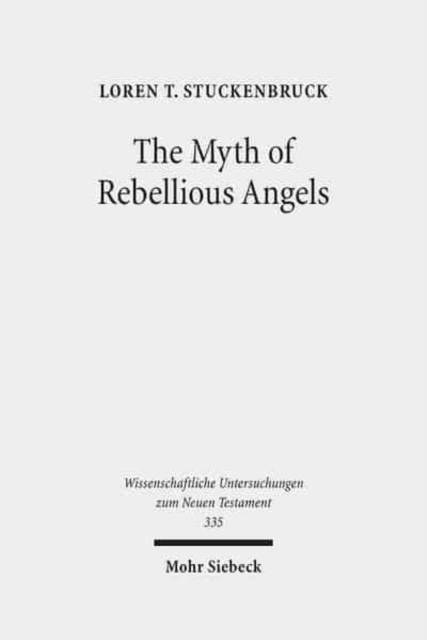
The Myth of Rebellious Angels
Studies in Second Temple Judaism and New Testament Texts
Loren T Stuckenbruck
€ 198,95
+ 397 punten
Omschrijving
The myth of rebellious angels preserved in 1 Enoch and related literature was influential during the Second Temple period. This myth, initially attested in the Enochic Book of Watchers and picked up in further parts of 1 Enoch, was received in writings composed in Aramaic, Hebrew, and Greek. This volume collects studies by Loren T. Stuckenbruck that explore aspects of this influence in some of the literature and demonstrate how the myth was reused and adapted to address new cultural and religious contexts (Book of Giants, Book of Jubilees, Dead Sea Scrolls, Book of Tobit, Book of Daniel, Genesis Apocryphon, Philo). In addition, Stuckenbruck analyses the degree to which it offers a theological framework through which to reconsider theological approaches to several New Testament texts (Synoptic Gospels and John, Acts, Pauline texts, and the Book of Revelation). Themes covered in the essays include demonology, prominent evil figures, exorcism, petitionary prayer, the birth and activity of Jesus, the holy Spirit, "magic", conversion of Gentiles, "apocalyptic" and the understanding of time, and theological anthropology.
Specificaties
Betrokkenen
- Auteur(s):
- Uitgeverij:
Inhoud
- Aantal bladzijden:
- 448
- Taal:
- Engels
- Reeks:
- Reeksnummer:
- nr. 335
Eigenschappen
- Productcode (EAN):
- 9783161530241
- Verschijningsdatum:
- 1/10/2014
- Uitvoering:
- Hardcover
- Formaat:
- Genaaid
- Afmetingen:
- 165 mm x 244 mm
- Gewicht:
- 839 g


Alleen bij Standaard Boekhandel
+ 397 punten op je klantenkaart van Standaard Boekhandel
Cadeau

AANGERADEN


Beoordelingen
We publiceren alleen reviews die voldoen aan de voorwaarden voor reviews. Bekijk onze voorwaarden voor reviews.