


- Afhalen na 1 uur in een winkel met voorraad
- Gratis thuislevering in België vanaf € 30
- Ruim aanbod met 7 miljoen producten
- Afhalen na 1 uur in een winkel met voorraad
- Gratis thuislevering in België vanaf € 30
- Ruim aanbod met 7 miljoen producten





Omschrijving
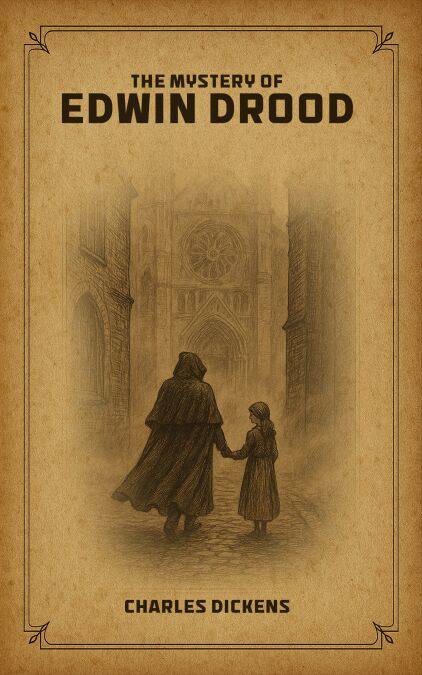
The Mystery of Edwin Drood is Charles Dickens's final and most enigmatic novel, left unfinished at the time of his death. Blending elements of mystery, psychological drama, and Gothic suspense, the book stands apart from Dickens's other works and continues to intrigue readers and scholars alike.
Set in the atmospheric cathedral town of Cloisterham, the story revolves around the sudden disappearance of young Edwin Drood. Suspicion soon falls upon his uncle, John Jasper, a respected choirmaster whose outward respectability masks dark inner obsessions. As hidden desires, jealousy, and moral corruption emerge, Dickens carefully constructs a tense and unsettling portrait of a man divided against himself.
Alongside the central mystery, the novel introduces a cast of vivid characters, including the independent and thoughtful Rosa Bud, the mysterious siblings Neville and Helena Landless, and the eccentric investigator Mr. Datchery. Through these figures, Dickens explores themes of identity, guilt, secrecy, and the struggle between conscience and desire.
Though unfinished, The Mystery of Edwin Drood remains a compelling and powerful work. Its unresolved ending invites endless speculation, making readers active participants in solving its central puzzle. Dark in tone yet rich in character and atmosphere, the novel stands as a fascinating final chapter in Dickens's literary legacy and a timeless classic of Victorian mystery.
Set in the atmospheric cathedral town of Cloisterham, the story revolves around the sudden disappearance of young Edwin Drood. Suspicion soon falls upon his uncle, John Jasper, a respected choirmaster whose outward respectability masks dark inner obsessions. As hidden desires, jealousy, and moral corruption emerge, Dickens carefully constructs a tense and unsettling portrait of a man divided against himself.
Alongside the central mystery, the novel introduces a cast of vivid characters, including the independent and thoughtful Rosa Bud, the mysterious siblings Neville and Helena Landless, and the eccentric investigator Mr. Datchery. Through these figures, Dickens explores themes of identity, guilt, secrecy, and the struggle between conscience and desire.
Though unfinished, The Mystery of Edwin Drood remains a compelling and powerful work. Its unresolved ending invites endless speculation, making readers active participants in solving its central puzzle. Dark in tone yet rich in character and atmosphere, the novel stands as a fascinating final chapter in Dickens's literary legacy and a timeless classic of Victorian mystery.
Specificaties
Betrokkenen
- Auteur(s):
- Uitgeverij:
Inhoud
- Aantal bladzijden:
- 332
- Taal:
- Engels
Eigenschappen
- Productcode (EAN):
- 9781804626603
- Verschijningsdatum:
- 4/02/2026
- Uitvoering:
- E-book
- Beveiligd met:
- Digital watermarking
- Formaat:
- ePub


Alleen bij Standaard Boekhandel
Cadeau

AANGERADEN


Beoordelingen
We publiceren alleen reviews die voldoen aan de voorwaarden voor reviews. Bekijk onze voorwaarden voor reviews.