


- Afhalen na 1 uur in een winkel met voorraad
- Gratis thuislevering in België vanaf € 30
- Ruim aanbod met 7 miljoen producten
- Afhalen na 1 uur in een winkel met voorraad
- Gratis thuislevering in België vanaf € 30
- Ruim aanbod met 7 miljoen producten




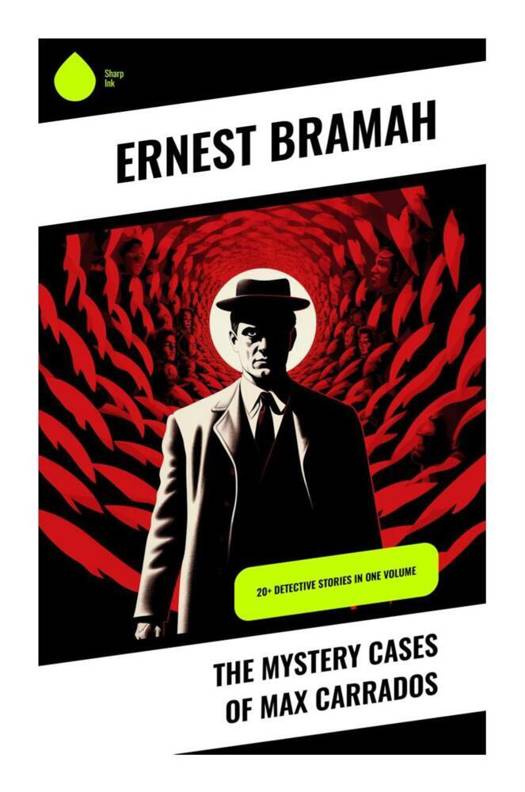
The Mystery Cases of Max Carrados
Blind Detective Tales of Edwardian London, Deductive Crime Puzzles, and Classic British Mystery
Ernest Bramah
Paperback | Engels
€ 22,95
+ 45 punten
Omschrijving
The Mystery Cases of Max Carrados gathers Ernest Bramah's ingenious tales of a blind detective whose investigations overturn conventional assumptions about perception and evidence. Moving through drawing rooms, offices, streets, and criminal underworlds, Carrados solves puzzles by acute hearing, touch, memory, inference, and psychological tact. Written in lucid, urbane prose, the stories belong to the golden age of British detective fiction while offering a distinctive alternative to Sherlock Holmes: detection not as theatrical brilliance alone, but as disciplined attentiveness to overlooked signs. Ernest Bramah, born Ernest Brammah Smith in 1868, was a notably versatile English writer, also famous for the Kai Lung stories. His experience in journalism, publishing, and popular fiction sharpened his command of plot, compression, and irony. Carrados likely emerged from Bramah's fascination with the limits of ordinary observation and with the period's growing interest in scientific method, urban anonymity, and professionalized detection. This collection is highly recommended to readers who enjoy classic mystery fiction, elegant short-story construction, and detectives defined by intellect rather than spectacle. It will especially reward those interested in how early twentieth-century crime writing questioned what it means truly to see.
Specificaties
Betrokkenen
- Auteur(s):
- Uitgeverij:
Inhoud
- Taal:
- Engels
Eigenschappen
- Productcode (EAN):
- 9788028332808
- Uitvoering:
- Paperback
- Afmetingen:
- 152 mm x 229 mm
- Gewicht:
- 668 g



Alleen bij Standaard Boekhandel
+ 45 punten op je klantenkaart van Standaard Boekhandel
CADEAU

AANGERADEN


Beoordelingen
We publiceren alleen reviews die voldoen aan de voorwaarden voor reviews. Bekijk onze voorwaarden voor reviews.