


- Afhalen na 1 uur in een winkel met voorraad
- Gratis thuislevering in België vanaf € 30
- Ruim aanbod met 7 miljoen producten
- Afhalen na 1 uur in een winkel met voorraad
- Gratis thuislevering in België vanaf € 30
- Ruim aanbod met 7 miljoen producten





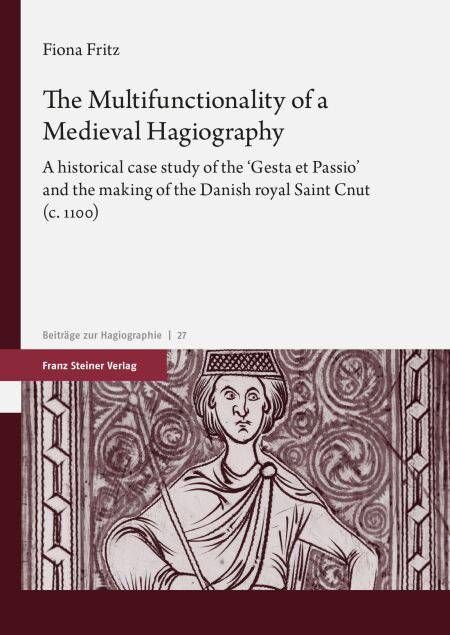
The Multifunctionality of a Medieval Hagiography E-BOOK
A historical case study of the "Gesta et Passio" and the making of the Danish royal Saint Cnut (c. 1100)
Fiona Fritz
€ 50,00
+ 50 punten
Uitvoering
Eenvoudig bestellen
Veilig betalen


Onmiddellijk geleverd via e-mail
Omschrijving
The 'Gesta et Passio' is a Latin hagiographic text written around 1112 by Ælnoth of Canterbury about the Danish king Cnut who was killed in 1086 and later venerated as St Cnut.
Due to its textual complexity Ælnoth's work has been considered heterogeneous and strangely structured. With her study Fiona Fritz aims to show that this complexity reflects the systematic multifunctionality of the text and that the text's construction afforded Ælnoth the opportunity to express his perception of contemporaneous ecclesiastical and secular political matters. Relevant textual functions include the construction of Cnut as a royal saint, propagating the cult of St Cnut, furthering ecclesiastical interests, presenting an ideology of kingship, and enhancing the legitimacy of the ruling dynasty.
The analysis of the text considers both the historical context of its production and various textual moves and strategies employed by the author. Over and above the results attained in relation to the 'Gesta et Passio' as an individual text, the present study can be taken as a general exploration of methods for the analysis of the potential of hagiographical texts for various functions and for multifunctionality.
Due to its textual complexity Ælnoth's work has been considered heterogeneous and strangely structured. With her study Fiona Fritz aims to show that this complexity reflects the systematic multifunctionality of the text and that the text's construction afforded Ælnoth the opportunity to express his perception of contemporaneous ecclesiastical and secular political matters. Relevant textual functions include the construction of Cnut as a royal saint, propagating the cult of St Cnut, furthering ecclesiastical interests, presenting an ideology of kingship, and enhancing the legitimacy of the ruling dynasty.
The analysis of the text considers both the historical context of its production and various textual moves and strategies employed by the author. Over and above the results attained in relation to the 'Gesta et Passio' as an individual text, the present study can be taken as a general exploration of methods for the analysis of the potential of hagiographical texts for various functions and for multifunctionality.
Specificaties
Betrokkenen
- Auteur(s):
- Uitgeverij:
Inhoud
- Aantal bladzijden:
- 250
- Taal:
- Engels
- Reeks:
Eigenschappen
- Productcode (EAN):
- 9783515136006
- Verschijningsdatum:
- 8/02/2024
- Uitvoering:
- E-book
- Beveiligd met:
- Digital watermarking
- Formaat:


Alleen bij Standaard Boekhandel
+ 50 punten op je klantenkaart van Standaard Boekhandel
CADEAU

AANGERADEN


Beoordelingen
We publiceren alleen reviews die voldoen aan de voorwaarden voor reviews. Bekijk onze voorwaarden voor reviews.