


- Afhalen na 1 uur in een winkel met voorraad
- Gratis thuislevering in België vanaf € 30
- Ruim aanbod met 7 miljoen producten
- Afhalen na 1 uur in een winkel met voorraad
- Gratis thuislevering in België vanaf € 30
- Ruim aanbod met 7 miljoen producten





€ 53,45
+ 106 punten
Uitvoering
Omschrijving
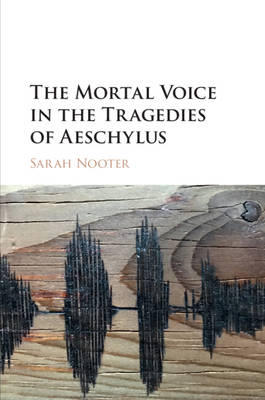
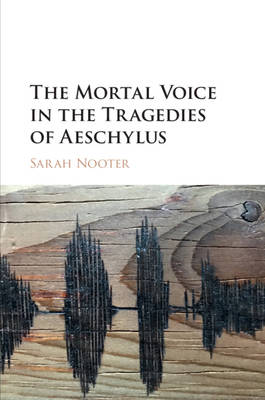
Voice connects our embodied existence with the theoretical worlds we construct. This book argues that the voice is a crucial element of mortal identity in the tragedies of Aeschylus. It first presents conceptions of the voice in ancient Greek poetry and philosophy, understanding it in its most literal and physical form, as well as through the many metaphorical connotations that spring from it. Close readings then show how the tragedies and fragments of Aeschylus gain meaning from the rubric and performance of voice, concentrating particularly on the Oresteia. Sarah Nooter demonstrates how voice - as both a bottomless metaphor and performative agent of action - stands as the prevailing configuration through which Aeschylus' dramas should be heard. This highly original book will interest all those interested in classical literature as well as those concerned with material approaches to the interpretation of texts.
Specificaties
Betrokkenen
- Auteur(s):
- Uitgeverij:
Inhoud
- Aantal bladzijden:
- 320
- Taal:
- Engels
Eigenschappen
- Productcode (EAN):
- 9781316508978
- Verschijningsdatum:
- 11/08/2022
- Uitvoering:
- Paperback
- Formaat:
- Trade paperback (VS)
- Afmetingen:
- 152 mm x 229 mm
- Gewicht:
- 430 g


Alleen bij Standaard Boekhandel
+ 106 punten op je klantenkaart van Standaard Boekhandel
CADEAU

AANGERADEN


Beoordelingen
We publiceren alleen reviews die voldoen aan de voorwaarden voor reviews. Bekijk onze voorwaarden voor reviews.