


- Afhalen na 1 uur in een winkel met voorraad
- Gratis thuislevering in België vanaf € 30
- Ruim aanbod met 7 miljoen producten
- Afhalen na 1 uur in een winkel met voorraad
- Gratis thuislevering in België vanaf € 30
- Ruim aanbod met 7 miljoen producten





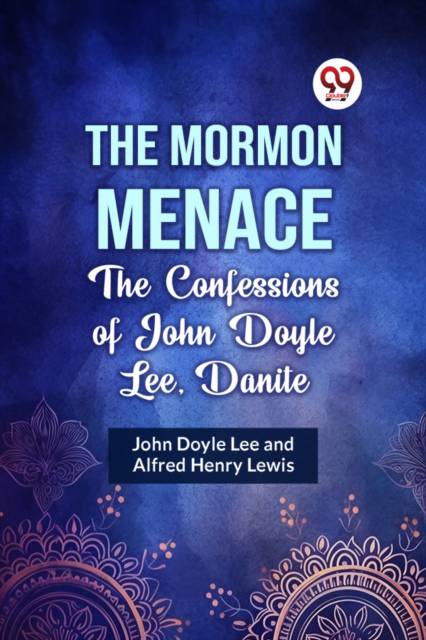
The Mormon Menace the Confessions of John Doyle Lee, Danite
Doyle Lee John, Alfred Henry Lewis
Paperback | Engels
€ 27,45
+ 54 punten
Omschrijving
The book "The Mormon Menace" written by John Doyle Lee and Alfred Henry Lewis. John Doyle Lee become a contentious man or woman in Mormon history, most known for his function inside the 1857 Mountain Meadows Massacre. Some stories are fascinating and first rate, while others trap you off protect and draw you in. This version of "The Mormon Menace" is each cutting-edge and understandable, with an eye-catching new cowl and nicely typeset cloth. This historical book is a brilliant compilation of thoughts compacted right into an unmarried draft for readers of any age to peruse. Lee later left the religion and penned his memoirs, taking part with Alfred Henry Lewis to create "The Mormon Menace." The paintings of literature are a harsh critique of Mormonism, depicting it as a dangerous and corrupt spiritual motion. It digs into the early history of the LDS Church, its creation with the aid of Joseph Smith, and its arguable polygamy practice. Lee and Lewis additionally discuss religious extremism and church violence. "The Mormon Menace" illustrates anti-Mormon feelings in a diffusion of settings during the late 19th and early 20th centuries.
Specificaties
Betrokkenen
- Auteur(s):
- Uitgeverij:
Inhoud
- Aantal bladzijden:
- 228
- Taal:
- Engels
Eigenschappen
- Productcode (EAN):
- 9789359328683
- Verschijningsdatum:
- 1/12/2023
- Uitvoering:
- Paperback
- Formaat:
- Trade paperback (VS)
- Afmetingen:
- 140 mm x 216 mm
- Gewicht:
- 294 g


Alleen bij Standaard Boekhandel
+ 54 punten op je klantenkaart van Standaard Boekhandel
Cadeau

AANGERADEN


Beoordelingen
We publiceren alleen reviews die voldoen aan de voorwaarden voor reviews. Bekijk onze voorwaarden voor reviews.