


- Afhalen na 1 uur in een winkel met voorraad
- Gratis thuislevering in België vanaf € 30
- Ruim aanbod met 7 miljoen producten
- Afhalen na 1 uur in een winkel met voorraad
- Gratis thuislevering in België vanaf € 30
- Ruim aanbod met 7 miljoen producten





Omschrijving
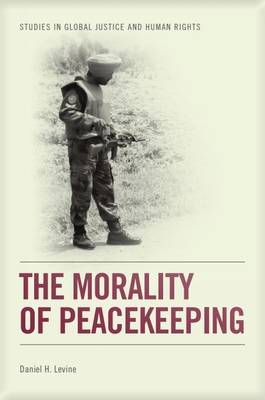
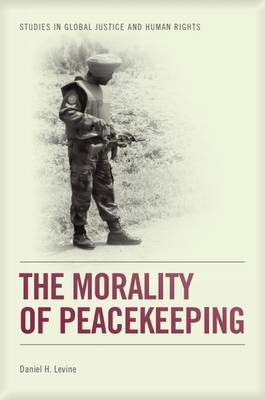
Peacekeeping, peace enforcement and 'stability operations' ask soldiers to use violence to create peace, defeat armed threats while having no enemies and uphold human rights without taking sides. The challenges that face peacekeepers cannot be easily reduced to traditional just war principles. Built on insights from care ethics, case studies including Darfur, the Democratic Republic of the Congo, Haiti and Liberia and scores of interviews with peacekeepers, trainers and planners in the field in Africa, India and more, Daniel H. Levine sheds light on the challenges of peacekeeping. And he asserts that the traditional 'holy trinity' of peacekeeping principles - consent, impartiality, and minimum use of force - still provide the best moral guide for peacekeepers.
Specificaties
Betrokkenen
- Auteur(s):
- Uitgeverij:
Inhoud
- Aantal bladzijden:
- 376
- Taal:
- Engels
- Reeks:
Eigenschappen
- Productcode (EAN):
- 9781399570961
- Verschijningsdatum:
- 30/06/2026
- Uitvoering:
- Paperback
- Formaat:
- Trade paperback (VS)
- Afmetingen:
- 156 mm x 234 mm


Alleen bij Standaard Boekhandel
+ 74 punten op je klantenkaart van Standaard Boekhandel
AANGERADEN


Beoordelingen
We publiceren alleen reviews die voldoen aan de voorwaarden voor reviews. Bekijk onze voorwaarden voor reviews.