


- Afhalen na 1 uur in een winkel met voorraad
- Gratis thuislevering in België vanaf € 30
- Ruim aanbod met 7 miljoen producten
- Afhalen na 1 uur in een winkel met voorraad
- Gratis thuislevering in België vanaf € 30
- Ruim aanbod met 7 miljoen producten





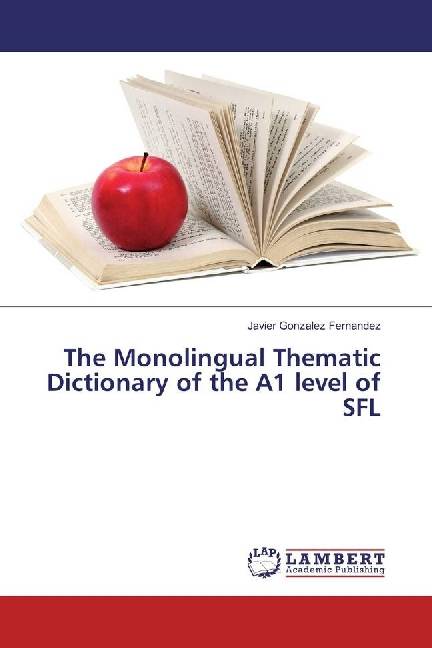
The Monolingual Thematic Dictionary of the A1 level of SFL
Javier Gonzalez Fernandez
Paperback | Engels
€ 63,95
+ 127 punten
Omschrijving
Is the bilingual dictionary the most effective tool for a beginner language learner? In my opinion, although the use of L1 in a language classroom has almost disappeared, we are still encouraging the interference of L1 in the process of learning an L2 with the use of bilingual dictionaries. In intermediate and advanced levels of proficiency, the use of the monolingual language learner's dictionary is widespread, but at a beginner level the use of the bilingual dictionary is unquestionable since it is considered either essential or it has not been found a suitable replacement. This book is a layout of a new dictionary specially designed for beginner SFL learners, the Monolingual Thematic Dictionary of the A1 level (MTD A1) of Spanish. This dictionary is organized by topics, not alphabetically, and its corpus has been selected from the Lexical Availability of preschool Spanish students, speakers of all varieties of Spanish from Spain. Its macrostructure is organized around 21 topics that reflect the lexical needs of the A1 level and its microstructure is composed of a representative image of every lexical unit and the oral representation of that lexical unit.
Specificaties
Betrokkenen
- Auteur(s):
- Uitgeverij:
Inhoud
- Aantal bladzijden:
- 200
- Taal:
- Engels
Eigenschappen
- Productcode (EAN):
- 9783330010277
- Uitvoering:
- Paperback
- Afmetingen:
- 150 mm x 220 mm


Alleen bij Standaard Boekhandel
+ 127 punten op je klantenkaart van Standaard Boekhandel
AANGERADEN


Beoordelingen
We publiceren alleen reviews die voldoen aan de voorwaarden voor reviews. Bekijk onze voorwaarden voor reviews.