


- Afhalen na 1 uur in een winkel met voorraad
- Gratis thuislevering in België vanaf € 30
- Ruim aanbod met 7 miljoen producten
- Afhalen na 1 uur in een winkel met voorraad
- Gratis thuislevering in België vanaf € 30
- Ruim aanbod met 7 miljoen producten




€ 13,95
+ 27 punten
Omschrijving
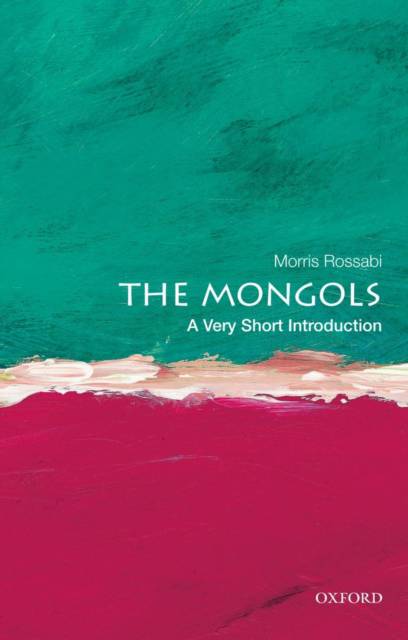
In the thirteenth and fourteenth centuries, the Mongols carved out the largest land-based empire in world history, stretching from Korea to Russia in the north and from China to Syria in the south, and unleashing an unprecedented level of violence. But as Morris Rossabi reveals in this Very Short Introduction, within two generations of their bloody conquests, the Mongols evolved from conquerors and predators to wise rulers who devised policies to foster the economies of the lands they had subjugated. By adopting political and economic institutions familiar to the local populations and recruiting native officials, they won over many of their non-Mongol subjects. In addition, Mongol nobles were ardent patrons of art and culture, supporting the production of Chinese porcelains and textiles, Iranian tiles and illustrated manuscripts, and Russian metalwork. Perhaps most important, the peace imposed by the Mongols on much of Asia and their promotion of trade resulted in considerable interaction among merchants, scientists, artists, and missionaries of different ethnic groups--including Europeans. Modern Eurasian and perhaps global history starts with the Mongol empire.
Specificaties
Betrokkenen
- Auteur(s):
- Uitgeverij:
Inhoud
- Aantal bladzijden:
- 160
- Taal:
- Engels
- Reeks:
Eigenschappen
- Productcode (EAN):
- 9780199840892
- Verschijningsdatum:
- 4/05/2012
- Uitvoering:
- Paperback
- Formaat:
- Trade paperback (VS)
- Afmetingen:
- 109 mm x 170 mm
- Gewicht:
- 136 g


Alleen bij Standaard Boekhandel
+ 27 punten op je klantenkaart van Standaard Boekhandel
AANGERADEN


Beoordelingen
We publiceren alleen reviews die voldoen aan de voorwaarden voor reviews. Bekijk onze voorwaarden voor reviews.