


- Afhalen na 1 uur in een winkel met voorraad
- Gratis thuislevering in België vanaf € 30
- Ruim aanbod met 7 miljoen producten
- Afhalen na 1 uur in een winkel met voorraad
- Gratis thuislevering in België vanaf € 30
- Ruim aanbod met 7 miljoen producten





€ 66,45
+ 132 punten
Omschrijving
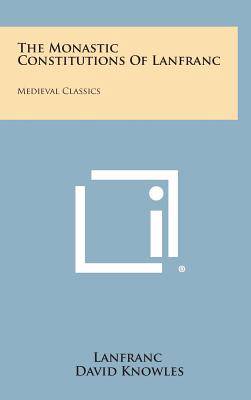
The Monastic Constitutions of Lanfranc is a medieval classic written by Lanfranc, the Archbishop of Canterbury from 1070 to 1089. The book is a collection of rules and regulations for monastic life, intended to guide the behavior and practices of monks living in England during the 11th century. The book covers a wide range of topics, including the duties and responsibilities of abbots and other monastery officials, the proper conduct of monks during meals and other daily activities, and guidelines for the education and training of novices. It also includes detailed instructions for the celebration of religious services, such as Mass and the Liturgy of the Hours, as well as rules for the use of monastic property and the treatment of guests and visitors.The Monastic Constitutions of Lanfranc is considered an important historical document, offering insight into the religious and social customs of medieval England. It is also valued for its literary and linguistic significance, as it represents an important example of Latin prose from the period. This edition of the book includes an introduction and notes by David Knowles, a leading scholar of medieval monasticism, making it an essential resource for students and scholars of medieval history, religion, and literature.This scarce antiquarian book is a facsimile reprint of the old original and may contain some imperfections such as library marks and notations. Because we believe this work is culturally important, we have made it available as part of our commitment for protecting, preserving, and promoting the world's literature in affordable, high quality, modern editions, that are true to their original work.
Specificaties
Betrokkenen
- Auteur(s):
- Vertaler(s):
- Uitgeverij:
Inhoud
- Aantal bladzijden:
- 346
- Taal:
- Engels
Eigenschappen
- Productcode (EAN):
- 9781258663896
- Verschijningsdatum:
- 13/04/2013
- Uitvoering:
- Hardcover
- Formaat:
- Genaaid
- Afmetingen:
- 152 mm x 229 mm
- Gewicht:
- 630 g


Alleen bij Standaard Boekhandel
+ 132 punten op je klantenkaart van Standaard Boekhandel
Cadeau

AANGERADEN


Beoordelingen
We publiceren alleen reviews die voldoen aan de voorwaarden voor reviews. Bekijk onze voorwaarden voor reviews.