


- Afhalen na 1 uur in een winkel met voorraad
- Gratis thuislevering in België vanaf € 30
- Ruim aanbod met 7 miljoen producten
- Afhalen na 1 uur in een winkel met voorraad
- Gratis thuislevering in België vanaf € 30
- Ruim aanbod met 7 miljoen producten





€ 62,45
+ 124 punten
Omschrijving
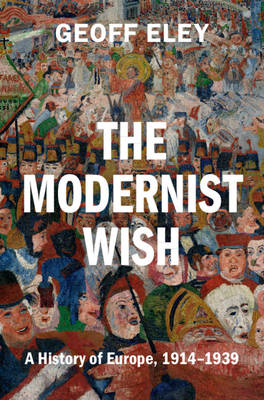
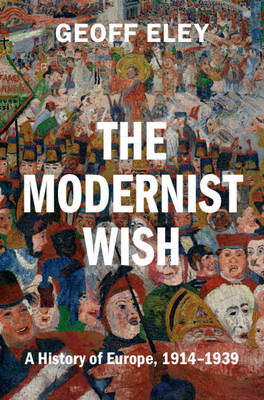
As the 20th century recedes, how should its history be written? The 1920s and 1930s were a time of paradox, of great conflict and contradiction. If those years were the crucible of a new metropolitan modernity and its possibilities, what were the forward-moving forces and ideas? What were their effects and where did they lead? The Modernist Wish provides a comprehensive, non-hierarchical and integrated history of Europe's early 20th century across the whole of the continent. Uniting social, cultural-intellectual, and political history alongside military-strategic and geopolitical dimensions, Geoff Eley examines the distinctiveness of early-20th century modernity. He draws out the exceptional character of the interwar years and their longer-run social and political fallout, based in the excitements of metropolitan living, the progressive achievements of an industrialized machine world, and the material possibilities for fashioning new forms of selfhood. In presenting a truly European history for our time, this study encompasses both the grand narratives of large-scale transformations, and the everyday realities of individual lived experiences.
Specificaties
Betrokkenen
- Auteur(s):
- Uitgeverij:
Inhoud
- Aantal bladzijden:
- 540
- Taal:
- Engels
- Reeks:
Eigenschappen
- Productcode (EAN):
- 9780521811453
- Verschijningsdatum:
- 14/05/2026
- Uitvoering:
- Hardcover
- Formaat:
- Genaaid
- Afmetingen:
- 163 mm x 231 mm
- Gewicht:
- 807 g


Alleen bij Standaard Boekhandel
+ 124 punten op je klantenkaart van Standaard Boekhandel
Cadeau

AANGERADEN


Beoordelingen
We publiceren alleen reviews die voldoen aan de voorwaarden voor reviews. Bekijk onze voorwaarden voor reviews.