


- Afhalen na 1 uur in een winkel met voorraad
- Gratis thuislevering in België vanaf € 30
- Ruim aanbod met 7 miljoen producten
- Afhalen na 1 uur in een winkel met voorraad
- Gratis thuislevering in België vanaf € 30
- Ruim aanbod met 7 miljoen producten





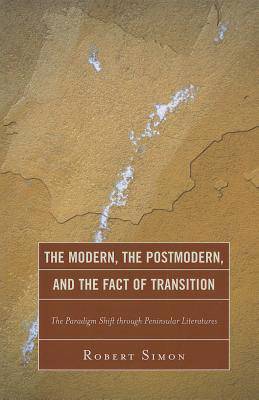
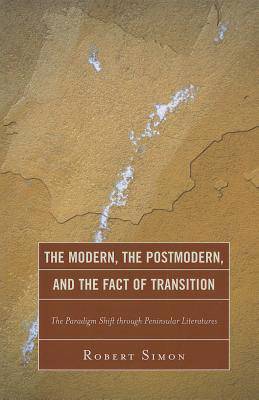
The Modern, the Postmodern, and the Fact of Transition
The Paradigm Shift Through Peninsular Literatures
Robert Simon
Paperback | Engels
€ 72,95
+ 145 punten
Omschrijving
The Modern, the Postmodern, and the Fact of Transition defines the basic parameters of Thomas Kuhn's paradigm shift theory as applied to the evolution of Spanish and Portuguese societies from the 1950s to the end of the twentieth century, from the perspective of a similar shift in poetry. Kuhn's theory states that a paradigm shift must happen in three phases: the crisis phase, the transition phase, and the adoption phase. The paradigm in question is the "postmodern" social (and thus, literary) paradigm made popular in criticism and social discourse during the 1990s. This shift in the Iberian context, therefore, will be analyzed in three phases: the first, from 1955 to 1975; and the latter two, from 1975 to 2000. This approximation provides a template for a vision of Iberian societies' evolution as ongoing and fraught with contradictory notions of centralization and deconstruction as simultaneous and somehow complimentary.
Specificaties
Betrokkenen
- Auteur(s):
- Uitgeverij:
Inhoud
- Aantal bladzijden:
- 98
- Taal:
- Engels
Eigenschappen
- Productcode (EAN):
- 9780761857648
- Verschijningsdatum:
- 22/12/2011
- Uitvoering:
- Paperback
- Formaat:
- Trade paperback (VS)
- Afmetingen:
- 150 mm x 224 mm
- Gewicht:
- 158 g


Alleen bij Standaard Boekhandel
+ 145 punten op je klantenkaart van Standaard Boekhandel
Cadeau

AANGERADEN


Beoordelingen
We publiceren alleen reviews die voldoen aan de voorwaarden voor reviews. Bekijk onze voorwaarden voor reviews.