


- Afhalen na 1 uur in een winkel met voorraad
- Gratis thuislevering in België vanaf € 30
- Ruim aanbod met 7 miljoen producten
- Afhalen na 1 uur in een winkel met voorraad
- Gratis thuislevering in België vanaf € 30
- Ruim aanbod met 7 miljoen producten





€ 56,45
+ 112 punten
Uitvoering
Omschrijving
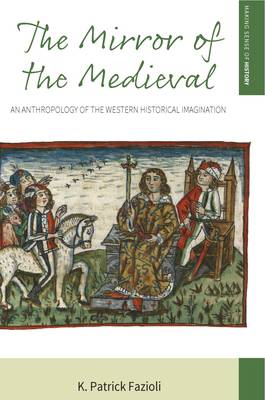
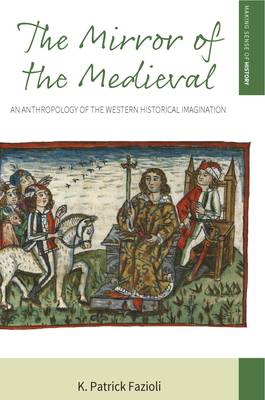
Since its invention by Renaissance humanists, the myth of the "Middle Ages" has held a uniquely important place in the Western historical imagination. Whether envisioned as an era of lost simplicity or a barbaric nightmare, the medieval past has always served as a mirror for modernity. This book gives an eye-opening account of the ways various political and intellectual projects-from nationalism to the discipline of anthropology-have appropriated the Middle Ages for their own ends. Deploying an interdisciplinary toolkit, author K. Patrick Fazioli grounds his analysis in contemporary struggles over power and identity in the Eastern Alps, while also considering the broader implications for scholarly research and public memory.
Specificaties
Betrokkenen
- Auteur(s):
- Uitgeverij:
Inhoud
- Aantal bladzijden:
- 208
- Taal:
- Engels
- Reeks:
- Reeksnummer:
- nr. 29
Eigenschappen
- Productcode (EAN):
- 9781789208306
- Verschijningsdatum:
- 2/09/2020
- Uitvoering:
- Paperback
- Formaat:
- Trade paperback (VS)
- Afmetingen:
- 152 mm x 229 mm
- Gewicht:
- 285 g


Alleen bij Standaard Boekhandel
+ 112 punten op je klantenkaart van Standaard Boekhandel
Cadeau

AANGERADEN


Beoordelingen
We publiceren alleen reviews die voldoen aan de voorwaarden voor reviews. Bekijk onze voorwaarden voor reviews.