


- Afhalen na 1 uur in een winkel met voorraad
- Gratis thuislevering in België vanaf € 30
- Ruim aanbod met 7 miljoen producten
- Afhalen na 1 uur in een winkel met voorraad
- Gratis thuislevering in België vanaf € 30
- Ruim aanbod met 7 miljoen producten





€ 51,45
+ 102 punten
Uitvoering
Omschrijving
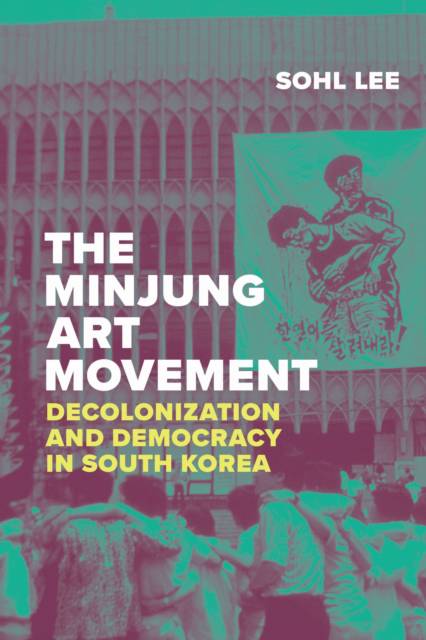
Emerging as multifaceted cultural activism, the minjung (people's) art movement defined the aesthetics of the pro-democracy movements in the 1970s and 1980s in South Korea. Tracing minjung art's history and legacy, Sohl Lee explores how artists associated with the movement mobilized images, print, and performance to build movement publics and reimagine sovereignty. Hundreds of artists questioned the underlying assumptions of liberal democracies and the art-making practices of the global Cold War. Their decolonial critiques of international modernism were inseparable from reimagining democracy and refiguring the relationship between art and democracy. Recuperating overlooked performance-oriented practices and the protest aesthetics that helped usher in parliamentary democracy in 1987, Lee shows that South Korea's globalization in the 1990s and its rise as cultural soft power in the new millennium cannot be understood apart from a pro-democracy culture that was both political and popular.
Specificaties
Betrokkenen
- Auteur(s):
- Uitgeverij:
Inhoud
- Aantal bladzijden:
- 420
- Taal:
- Engels
Eigenschappen
- Productcode (EAN):
- 9781478033233
- Verschijningsdatum:
- 14/04/2026
- Uitvoering:
- Paperback
- Formaat:
- Trade paperback (VS)
- Afmetingen:
- 152 mm x 229 mm
- Gewicht:
- 444 g


Alleen bij Standaard Boekhandel
+ 102 punten op je klantenkaart van Standaard Boekhandel
Wedstrijd


Beoordelingen
We publiceren alleen reviews die voldoen aan de voorwaarden voor reviews. Bekijk onze voorwaarden voor reviews.