


- Afhalen na 1 uur in een winkel met voorraad
- Gratis thuislevering in België vanaf € 30
- Ruim aanbod met 7 miljoen producten
- Afhalen na 1 uur in een winkel met voorraad
- Gratis thuislevering in België vanaf € 30
- Ruim aanbod met 7 miljoen producten




€ 79,45
+ 158 punten
Uitvoering
Omschrijving
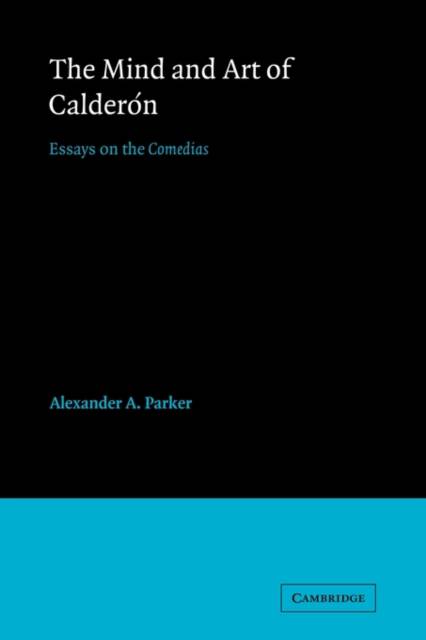
Don Pedro Calderón de la Barca (1600-81) was, with Lope de Vega, the greatest exponent of Spanish Golden Age drama. Professor Parker's essays are the fruits of a highly distinguished career spanning forty-five years. They provide a wide-ranging survey of Calderón's secular, three-act plays (comedias) through detailed analyses of individual works. The themes found in the plays are studied in relation to the background of ideas in seventeenth-century Spain and to the development of Calderón's own view of the intellectual life and the social, ethical and moral problems of this age. From the tensions of Calderón's early family life and his intellectual struggle with the associated problems, the book passes to the wider tensions in the social and political life of his time, and concludes with a demonstration of how Calderón raises all these human problems onto a wide 'philosophical' level through his use of myths and symbols.
Specificaties
Betrokkenen
- Auteur(s):
- Uitgeverij:
Inhoud
- Aantal bladzijden:
- 432
- Taal:
- Engels
- Reeks:
Eigenschappen
- Productcode (EAN):
- 9780521121170
- Verschijningsdatum:
- 15/10/2009
- Uitvoering:
- Paperback
- Formaat:
- Trade paperback (VS)
- Afmetingen:
- 152 mm x 229 mm
- Gewicht:
- 630 g


Alleen bij Standaard Boekhandel
+ 158 punten op je klantenkaart van Standaard Boekhandel
Cadeau

AANGERADEN


Beoordelingen
We publiceren alleen reviews die voldoen aan de voorwaarden voor reviews. Bekijk onze voorwaarden voor reviews.