



- Afhalen na 1 uur in een winkel met voorraad
- Gratis thuislevering in België vanaf € 30
- Ruim aanbod met 7 miljoen producten
- Afhalen na 1 uur in een winkel met voorraad
- Gratis thuislevering in België vanaf € 30
- Ruim aanbod met 7 miljoen producten





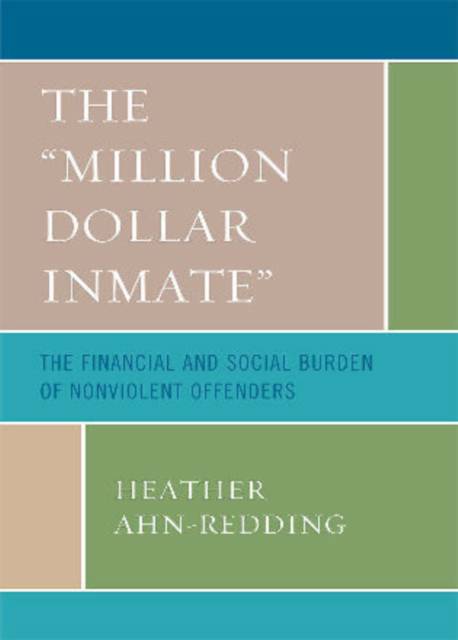
'Million Dollar Inmate'
The Financial and Social Burden of Nonviolent Offenders
Heather Ahn-Redding
Paperback | Engels
€ 88,95
+ 177 punten
Uitvoering
Omschrijving
The 'Million Dollar Inmate' highlights the financial and social costs of America's incarceration of non-violent offenders. Basing her insight on extensive research into the origins of our correctional systems, the visible and non-visible costs incurred by the practice of incarcerating non-violent offenders, and the goals of our prison system, Heather Ahn-Redding dares to expose flaws in current correctional practices and suggest ways they can be not only changed, but re-envisioned as well.
Specificaties
Betrokkenen
- Auteur(s):
- Uitgeverij:
Inhoud
- Aantal bladzijden:
- 256
- Taal:
- Engels
Eigenschappen
- Productcode (EAN):
- 9780739114971
- Verschijningsdatum:
- 15/10/2010
- Uitvoering:
- Paperback
- Formaat:
- Trade paperback (VS)
- Afmetingen:
- 150 mm x 226 mm
- Gewicht:
- 362 g


Alleen bij Standaard Boekhandel
+ 177 punten op je klantenkaart van Standaard Boekhandel
E-BOOK ACTIE


Beoordelingen
We publiceren alleen reviews die voldoen aan de voorwaarden voor reviews. Bekijk onze voorwaarden voor reviews.