



- Afhalen na 1 uur in een winkel met voorraad
- In januari gratis thuislevering in België
- Ruim aanbod met 7 miljoen producten
- Afhalen na 1 uur in een winkel met voorraad
- In januari gratis thuislevering in België
- Ruim aanbod met 7 miljoen producten





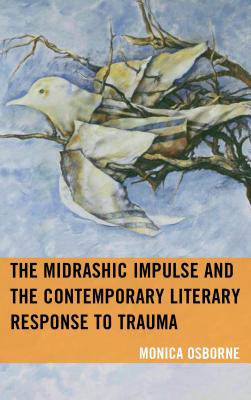
The Midrashic Impulse and the Contemporary Literary Response to Trauma
Monica Osborne
€ 195,45
+ 390 punten
Omschrijving
Since the end of World War II we have witnessed countless artistic responses to the Holocaust, yet we remain unable to adequately address the atrocities. While Theodor Adorno later rescinded his comments on the barbaric nature of writing poetry after Auschwitz, The Midrashic Impulse and the Contemporary Literary Response to Trauma begins with the possibility that he was right--that his admonition against poetry warns against employing representational modes that transgress the boundaries of the ethical when it comes to the Holocaust. There is a language, other than the language of representation, with which we might speak authentically about such atrocities. This study explores what it means for the world of literature to renounce the language of representation and retain the language of witness. Drawing on the work of Emmanuel Levinas, Maurice Blanchot, Geoffrey Hartman, and others the book focuses on the increasing tendency of contemporary writers to rely on non-representational approaches to storytelling in the context of trauma. This tendency is named the "midrashic impulse" given its similarity to ancient rabbinic approaches to the silences of the Hebrew bible through the creation of Midrash.
Specificaties
Betrokkenen
- Auteur(s):
- Uitgeverij:
Inhoud
- Aantal bladzijden:
- 218
- Taal:
- Engels
- Reeks:
Eigenschappen
- Productcode (EAN):
- 9781498564908
- Verschijningsdatum:
- 06/12/2017
- Uitvoering:
- Hardcover
- Formaat:
- Genaaid
- Afmetingen:
- 155 mm x 231 mm
- Gewicht:
- 476 g


Alleen bij Standaard Boekhandel
+ 390 punten op je klantenkaart van Standaard Boekhandel
Cadeau

AANGERADEN


Beoordelingen
We publiceren alleen reviews die voldoen aan de voorwaarden voor reviews. Bekijk onze voorwaarden voor reviews.