


- Afhalen na 1 uur in een winkel met voorraad
- Gratis thuislevering in België vanaf € 30
- Ruim aanbod met 7 miljoen producten
- Afhalen na 1 uur in een winkel met voorraad
- Gratis thuislevering in België vanaf € 30
- Ruim aanbod met 7 miljoen producten





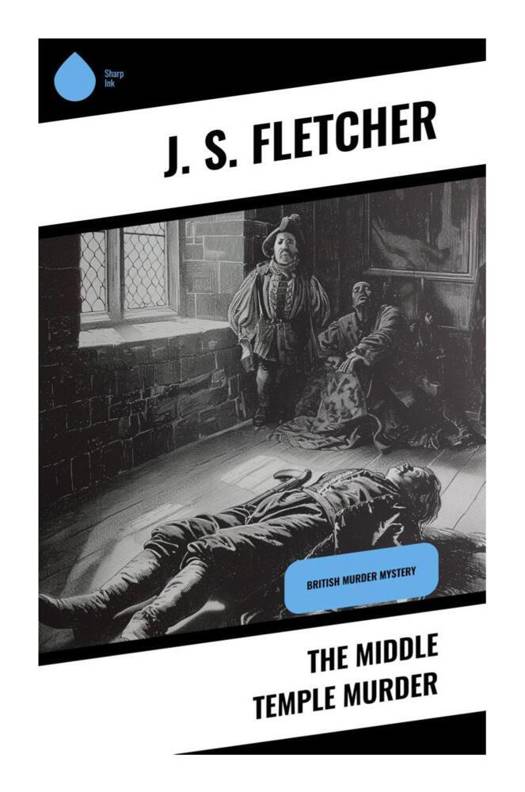
The Middle Temple Murder
An Edwardian London Mystery of Legal Chambers, Newspaper Sleuthing, and Inheritance Secrets
J. S. Fletcher
Paperback | Engels
€ 11,45
+ 22 punten
Eenvoudig bestellen
Veilig betalen


Gratis thuislevering vanaf € 30 (via bpost)
Gratis levering in je Standaard Boekhandel
Omschrijving
The Middle Temple Murder opens with a corpse discovered in London's ancient legal quarter, drawing journalist Frank Spargo into a labyrinth of concealed identity, inheritance, and institutional respectability. J. S. Fletcher's prose is brisk, lucid, and methodically clue-driven, favoring documentary detail, interviews, and incremental revelation over sensationalism. Published at the threshold of the Golden Age of detective fiction, the novel bridges Victorian mystery traditions and the modern investigative thriller, using the city's chambers, clubs, and newspapers as instruments of plot and atmosphere. J. S. Fletcher (1863-1935) was a remarkably prolific English writer whose career in journalism deeply shaped his fiction. Born in Yorkshire and trained in the habits of observation, verification, and narrative compression, he brought a reporter's eye to questions of motive and evidence. His familiarity with newspapers and public institutions is especially visible here, where detection is not merely police work but a social process involving archives, testimony, and print culture. This is an excellent choice for readers interested in classic British crime fiction before its more formalized puzzle conventions. Engaging, intelligent, and historically revealing, it rewards those who enjoy patient investigation, urban atmosphere, and the pleasures of a mystery built on evidence rather than melodrama.
Specificaties
Betrokkenen
- Auteur(s):
- Uitgeverij:
Inhoud
- Taal:
- Engels
Eigenschappen
- Productcode (EAN):
- 9788028333461
- Uitvoering:
- Paperback
- Afmetingen:
- 152 mm x 229 mm
- Gewicht:
- 201 g



Alleen bij Standaard Boekhandel
+ 22 punten op je klantenkaart van Standaard Boekhandel
CADEAU

AANGERADEN


Beoordelingen
We publiceren alleen reviews die voldoen aan de voorwaarden voor reviews. Bekijk onze voorwaarden voor reviews.