


- Afhalen na 1 uur in een winkel met voorraad
- Gratis thuislevering in België vanaf € 30
- Ruim aanbod met 7 miljoen producten
- Afhalen na 1 uur in een winkel met voorraad
- Gratis thuislevering in België vanaf € 30
- Ruim aanbod met 7 miljoen producten





Omschrijving
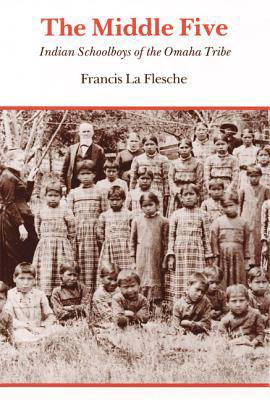
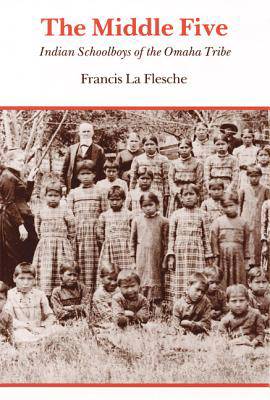
The Middle Five, first published in 1900, is an account of Francis La Flesche's life as a student in a Presbyterian mission school in northeastern Nebraska about the time of the Civil War. It is a simple, affecting tale of young Indian boys midway between two cultures, reluctant to abandon the ways of their fathers, and puzzled and uncomfortable in their new roles of "make-believe white men." The ambition of the Indian parents for their children, the struggle of the teachers to acquaint their charges with a new world of learning, and especially the problems met by both parents and teachers in controlling and directing schoolboy exuberance contribute to the authen-ticity of this portrait of the "Universal Boy," to whom La Flesche dedicated his book. Regarded by anthropologists as a classic of Native American literature, it is one of those rare books that are valued by the specialist as authentic sources of information about Indian culture and yet can be recommended wholeheartedly to the general reader, especially to young people in high school and the upper grades, as a useful corrective to the often distorted picture of Indian life seen in movies, comics, and television.
Specificaties
Betrokkenen
- Auteur(s):
- Uitgeverij:
Inhoud
- Aantal bladzijden:
- 156
- Taal:
- Engels
Eigenschappen
- Productcode (EAN):
- 9780803279018
- Verschijningsdatum:
- 1/09/1978
- Uitvoering:
- Paperback
- Formaat:
- Trade paperback (VS)
- Afmetingen:
- 136 mm x 191 mm
- Gewicht:
- 208 g


Alleen bij Standaard Boekhandel
Cadeau

AANGERADEN


Beoordelingen
We publiceren alleen reviews die voldoen aan de voorwaarden voor reviews. Bekijk onze voorwaarden voor reviews.