


- Afhalen na 1 uur in een winkel met voorraad
- Gratis thuislevering in België vanaf € 30
- Ruim aanbod met 7 miljoen producten
- Afhalen na 1 uur in een winkel met voorraad
- Gratis thuislevering in België vanaf € 30
- Ruim aanbod met 7 miljoen producten





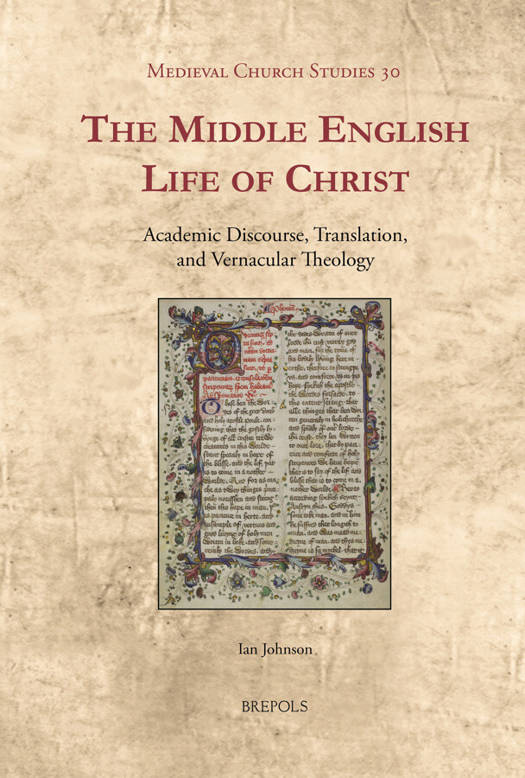
The Middle English Life of Christ
Academic Discourse, Translation, and Vernacular Theology
Ian Johnson
€ 90,10
+ 180 punten
Omschrijving
How much did Latin academic theoretical discourse inform mainstream late medieval English literature? Rather than asking this question of secular poetic fiction (Chaucer, Gower), this book investigates a more central genre, lives of Christ. Any adequate understanding of vernacular textuality, in an age when most literature was translation of some sort, cannot escape the question of the influence of theory on transactions and ideology of mainstream literary culture in negotiating authority. Where better to test this than the life of Christ? Derived from the Gospels, this genre provided the set text for human existence. Too often, however, it has been regarded by modern scholarship as an infantilizing clerical sop to a laity deprived of Scripture and intellectual or contemplative ambition. Inquiry into the translating and the spirituality of Middle English lives of Christ yields, however, eloquent examples not of antagonism and rupture between Latin and vernacular but of productive compatibility. This challenges the common modern supposition that vernacular texts and vernacular theology are at odds with Latinate clerical culture, and restores the genre's historic value. Like their dissenting counterparts, lives of Christ, as well as being of interest in their own right, invested in learned literary and theological norms in their textual transactions. Such reliance demands modern (re)consideration.
Specificaties
Betrokkenen
- Auteur(s):
- Uitgeverij:
Inhoud
- Aantal bladzijden:
- 203
- Taal:
- Engels
- Reeks:
- Reeksnummer:
- nr. 30
Eigenschappen
- Productcode (EAN):
- 9782503547480
- Verschijningsdatum:
- 1/10/2013
- Uitvoering:
- Hardcover
- Formaat:
- Genaaid
- Afmetingen:
- 160 mm x 239 mm
- Gewicht:
- 612 g


Alleen bij Standaard Boekhandel
+ 180 punten op je klantenkaart van Standaard Boekhandel
Cadeau

AANGERADEN


Beoordelingen
We publiceren alleen reviews die voldoen aan de voorwaarden voor reviews. Bekijk onze voorwaarden voor reviews.