


- Afhalen na 1 uur in een winkel met voorraad
- Gratis thuislevering in België vanaf € 30
- Ruim aanbod met 7 miljoen producten
- Afhalen na 1 uur in een winkel met voorraad
- Gratis thuislevering in België vanaf € 30
- Ruim aanbod met 7 miljoen producten





€ 69,45
+ 138 punten
Uitvoering
Omschrijving
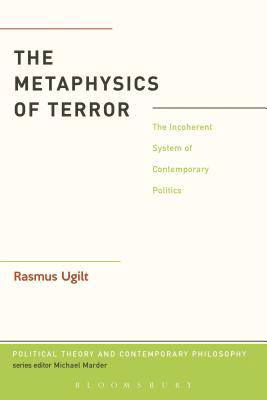
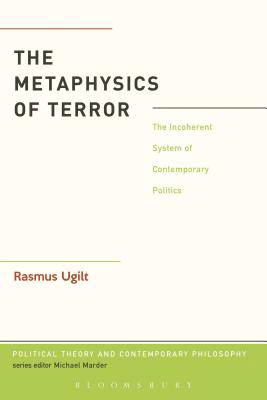
This groundbreaking study aims to provide a philosophical analysis of the phenomenon of terror, in particular the political reactions to it, such as public anxiety and pre-emptive wars, and to re-articulate the understanding of metaphysics through a consideration of its political implications.
The book reveals that the key feature of terror is "potentiality," that is, terror is always about "what could happen" as opposed to "what is likely to happen." This notion helps broaden the scope of the investigation, as the argument spans the ontology, political psychology, political cosmology, and political theology of terror. Each chapter begins with an empirical discussion, examining such topics as the political practices in reaction to terror, the politics of fear, warfare, sovereignty, and the debates about the state of exception in relations to anti-terrorism laws. This unique examination of our political reality uncovers the axiom of terrorism, namely its "potentiality." Going beyond the scope of terrorism studies, it explains the philosophical underpinnings of terror without compromising on the empirical facts drawn from policymaking, jurisprudence and related fields.Specificaties
Betrokkenen
- Auteur(s):
- Uitgeverij:
Inhoud
- Aantal bladzijden:
- 240
- Taal:
- Engels
- Reeks:
Eigenschappen
- Productcode (EAN):
- 9781628920567
- Verschijningsdatum:
- 13/03/2014
- Uitvoering:
- Paperback
- Formaat:
- Trade paperback (VS)
- Afmetingen:
- 152 mm x 229 mm
- Gewicht:
- 326 g


Alleen bij Standaard Boekhandel
+ 138 punten op je klantenkaart van Standaard Boekhandel
Cadeau

AANGERADEN


Beoordelingen
We publiceren alleen reviews die voldoen aan de voorwaarden voor reviews. Bekijk onze voorwaarden voor reviews.