



Bedankt voor het vertrouwen het afgelopen jaar! Om jou te bedanken bieden we GRATIS verzending (in België) aan op alles gedurende de hele maand januari.
- Afhalen na 1 uur in een winkel met voorraad
- In januari gratis thuislevering in België
- Ruim aanbod met 7 miljoen producten
Bedankt voor het vertrouwen het afgelopen jaar! Om jou te bedanken bieden we GRATIS verzending (in België) aan op alles gedurende de hele maand januari.
- Afhalen na 1 uur in een winkel met voorraad
- In januari gratis thuislevering in België
- Ruim aanbod met 7 miljoen producten





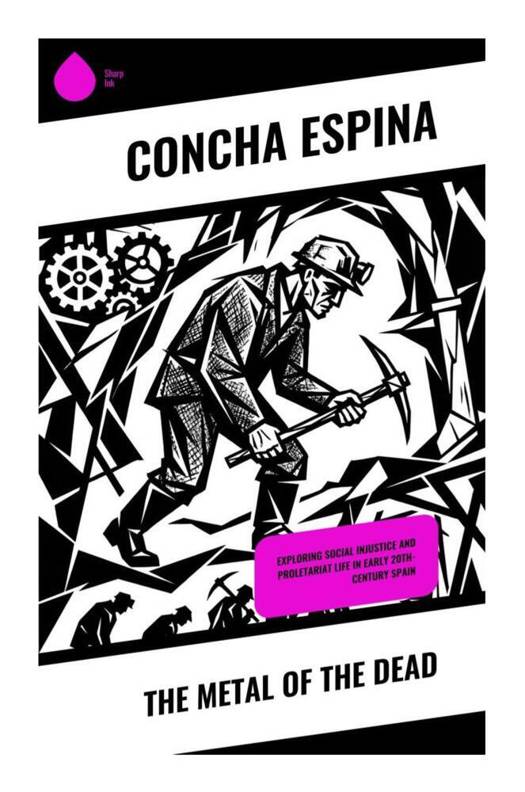
The Metal of the Dead
Exploring Social Injustice and Proletariat Life in Early 20th-Century Spain
Concha Espina
Paperback | Engels
€ 12,95
+ 25 punten
Omschrijving
Concha Espina's "The Metal of the Dead" delves into the harsh realities of early 20th-century mining life, underscoring the intersection of human struggles and exploitation of natural resources. Espina crafts a tapestry of vivid descriptions and poignant narrative to highlight the complex socio-economic conditions faced by miners in Spain. She employs a keenly realist style, immersing readers in the grit and toil of the working class, while subtly interweaving threads of social critique. Against the backdrop of industrialization, Espina's work resonates with a timely dissection of the class conflicts and the relentless pursuit of progress at the expense of humanity. Born in 1869 in Santander, Spain, Concha Espina was not only a prolific novelist but also a pioneering voice in the examination of social issues, often focusing on the plight of women and the working class. Her experiences and observations of Spanish society during a period of immense change undoubtedly informed her empathetic exploration of themes within "The Metal of the Dead." Espina's literary contributions provide an essential lens to view the socio-political landscapes of her time, making her narratives both relevant and engaging. "The Metal of the Dead" is an indispensable read for those keen on understanding the intricate tapestry of historical and socio-economic nuances in literature. Espina's novella invites readers not only to confront the past but to reflect on continuous struggles for justice and dignity. Scholars and enthusiasts of realist literature and Spanish socio-political narratives will find this work particularly compelling and insightful, offering a profound sense of empathy and awareness for the marginalized figures it portrays.
Specificaties
Betrokkenen
- Auteur(s):
- Uitgeverij:
Inhoud
- Aantal bladzijden:
- 188
- Taal:
- Engels
Eigenschappen
- Productcode (EAN):
- 9788028512415
- Uitvoering:
- Paperback
- Afmetingen:
- 152 mm x 229 mm
- Gewicht:
- 262 g


Alleen bij Standaard Boekhandel
+ 25 punten op je klantenkaart van Standaard Boekhandel
SOLDEN


Beoordelingen
We publiceren alleen reviews die voldoen aan de voorwaarden voor reviews. Bekijk onze voorwaarden voor reviews.