


- Afhalen na 1 uur in een winkel met voorraad
- Gratis thuislevering in België vanaf € 30
- Ruim aanbod met 7 miljoen producten
- Afhalen na 1 uur in een winkel met voorraad
- Gratis thuislevering in België vanaf € 30
- Ruim aanbod met 7 miljoen producten





€ 11,99
+ 11 punten
Omschrijving
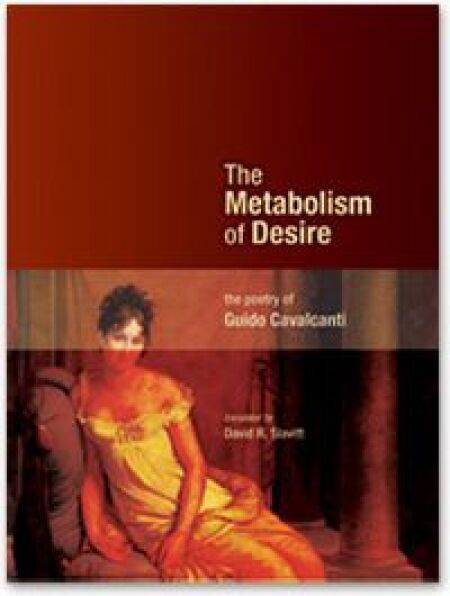
The fact that Cavlacanti’s friend, Dante Alighieri, was a supremely fine poet ought not blind us to Cavalcanti’s own, rather different excellence. Both men were attracted to the dolce stil nuovo, the “sweet new style” that emerged in thirteenth-century Florence. While Dante’s poetry was devoted to his childhood sweetheart, Beatrice, Cavalcanti’s poetry had more the tang of real-world experience: he struggled against unruly passions and sought instead to overcome love – a source of torment and despair.
It is chiefly through the translations of Rossetti and Pound that English-speaking readers have encountered Cavalcanti’s work. Pound’s famous translation, now viewed by some as antiquated, is remarkably different from the translation provided here in the graceful voice of poet David Slavitt. Working under the significant restraints of Cavalcanti’s elaborate formal structures, Slavitt renders an English translation faithful to the original poetry in both rhyme and rhythm.
It is chiefly through the translations of Rossetti and Pound that English-speaking readers have encountered Cavalcanti’s work. Pound’s famous translation, now viewed by some as antiquated, is remarkably different from the translation provided here in the graceful voice of poet David Slavitt. Working under the significant restraints of Cavalcanti’s elaborate formal structures, Slavitt renders an English translation faithful to the original poetry in both rhyme and rhythm.
Specificaties
Betrokkenen
- Auteur(s):
- Vertaler(s):
- Uitgeverij:
Inhoud
- Aantal bladzijden:
- 149
- Taal:
- Engels
- Reeks:
Eigenschappen
- Productcode (EAN):
- 9781926836867
- Verschijningsdatum:
- 1/03/2012
- Uitvoering:
- E-book
- Beveiligd met:
- Digital watermarking
- Formaat:
- ePub


Alleen bij Standaard Boekhandel
+ 11 punten op je klantenkaart van Standaard Boekhandel
Cadeau

AANGERADEN


Beoordelingen
We publiceren alleen reviews die voldoen aan de voorwaarden voor reviews. Bekijk onze voorwaarden voor reviews.