


- Afhalen na 1 uur in een winkel met voorraad
- Gratis thuislevering in België vanaf € 30
- Ruim aanbod met 7 miljoen producten
- Afhalen na 1 uur in een winkel met voorraad
- Gratis thuislevering in België vanaf € 30
- Ruim aanbod met 7 miljoen producten





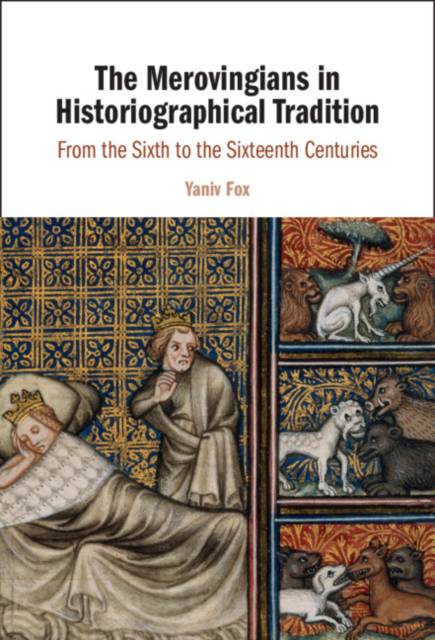
The Merovingians in Historiographical Tradition
From the Sixth to the Sixteenth Centuries
Yaniv Fox
Hardcover | Engels
€ 167,45
+ 334 punten
Uitvoering
Omschrijving
The Merovingian centuries were a foundational period in the historical consciousness of western Europe. The memory of the first dynasty of Frankish kings, their origin myths, accomplishments, and failures were used by generations of chroniclers, propagandists, and historians to justify a wide range of social and political agendas. The process of curating and editing the source material gave rise to a recognizable 'Merovingian narrative' with three distinct phases: meteoric ascent, stasis, and decline. Already in the seventh-century Chronicle of Fredegar, this tripartite model was invoked by a Merovingian queen to prophesy the fate of her descendants. This expert commentary sets out to understand how the story of the Merovingians was shaped through a process of continuous historiographical adaptation. It examines authors from across a millennium of historical writing and analyzes their influences and objectives, charting the often-unexpected ways in which their narratives were received and developed.
Specificaties
Betrokkenen
- Auteur(s):
- Uitgeverij:
Inhoud
- Aantal bladzijden:
- 342
- Taal:
- Engels
Eigenschappen
- Productcode (EAN):
- 9781009285018
- Verschijningsdatum:
- 16/11/2023
- Uitvoering:
- Hardcover
- Formaat:
- Genaaid
- Afmetingen:
- 152 mm x 229 mm
- Gewicht:
- 625 g


Alleen bij Standaard Boekhandel
+ 334 punten op je klantenkaart van Standaard Boekhandel
Cadeau

AANGERADEN


Beoordelingen
We publiceren alleen reviews die voldoen aan de voorwaarden voor reviews. Bekijk onze voorwaarden voor reviews.