


- Afhalen na 1 uur in een winkel met voorraad
- Gratis thuislevering in België vanaf € 30
- Ruim aanbod met 7 miljoen producten
- Afhalen na 1 uur in een winkel met voorraad
- Gratis thuislevering in België vanaf € 30
- Ruim aanbod met 7 miljoen producten





€ 181,95
+ 363 punten
Uitvoering
Omschrijving
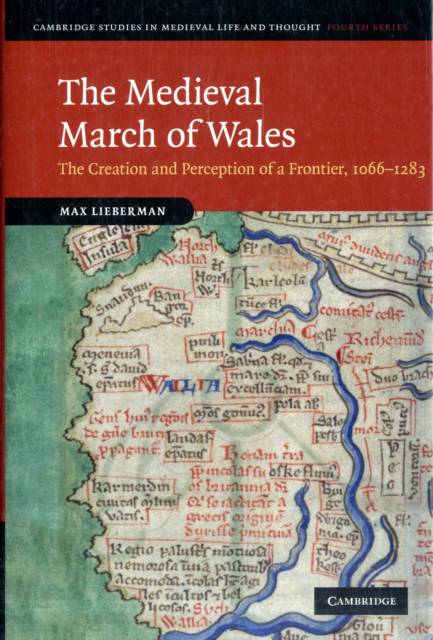
This book examines the making of the March of Wales and the crucial role its lords played in the politics of medieval Britain between the Norman conquest of England of 1066 and the English conquest of Wales in 1283. Max Lieberman argues that the Welsh borders of Shropshire, which were first, from c.1165, referred to as Marchia Wallie, provide a paradigm for the creation of the March. He reassesses the role of William the Conqueror's tenurial settlement in the making of the March and sheds new light on the ways in which seigneurial administrations worked in a cross-cultural context. Finally, he explains why, from c.1300, the March of Wales included the conquest territories in south Wales as well as the highly autonomous border lordships. This book makes a significant and original contribution to frontier studies, investigating both the creation and the changing perception of a medieval borderland.
Specificaties
Betrokkenen
- Auteur(s):
- Uitgeverij:
Inhoud
- Aantal bladzijden:
- 308
- Taal:
- Engels
- Reeks:
- Reeksnummer:
- nr. 78
Eigenschappen
- Productcode (EAN):
- 9780521769785
- Verschijningsdatum:
- 28/01/2010
- Uitvoering:
- Hardcover
- Formaat:
- Ongenaaid / garenloos gebonden
- Afmetingen:
- 155 mm x 229 mm
- Gewicht:
- 616 g


Alleen bij Standaard Boekhandel
+ 363 punten op je klantenkaart van Standaard Boekhandel
CADEAU

AANGERADEN


Beoordelingen
We publiceren alleen reviews die voldoen aan de voorwaarden voor reviews. Bekijk onze voorwaarden voor reviews.