



Bedankt voor het vertrouwen het afgelopen jaar! Om jou te bedanken bieden we GRATIS verzending (in België) aan op alles gedurende de hele maand januari.
- Afhalen na 1 uur in een winkel met voorraad
- In januari gratis thuislevering in België
- Ruim aanbod met 7 miljoen producten
Bedankt voor het vertrouwen het afgelopen jaar! Om jou te bedanken bieden we GRATIS verzending (in België) aan op alles gedurende de hele maand januari.
- Afhalen na 1 uur in een winkel met voorraad
- In januari gratis thuislevering in België
- Ruim aanbod met 7 miljoen producten





Omschrijving
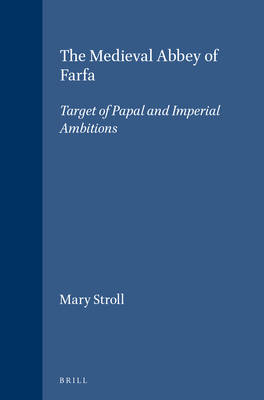
This is the first comprehensive study in English about the medieval imperial abbey of Farfa, which played a key role in the period of ecclesiastical reform, beginning in the mid-eleventh century. Its main sources are the Register and Chronicle, compiled by Gregory of Catino, a partisan monk.
Controlling strategic property in central Rome and along the coast of Latium, Farfa functioned as a quasi-imperial embassy, supporting the empire in its struggle with the papacy for hegemony. Imperial ties and internal conflicts led to Farfa's loss of liberties and dependency upon the papacy.
The book both depicts the competition between the empire and the papacy, and charts Farfa's losing struggle to maintain Benedictine standards and its independence from an expansive papacy.
Controlling strategic property in central Rome and along the coast of Latium, Farfa functioned as a quasi-imperial embassy, supporting the empire in its struggle with the papacy for hegemony. Imperial ties and internal conflicts led to Farfa's loss of liberties and dependency upon the papacy.
The book both depicts the competition between the empire and the papacy, and charts Farfa's losing struggle to maintain Benedictine standards and its independence from an expansive papacy.
Specificaties
Betrokkenen
- Auteur(s):
- Uitgeverij:
Inhoud
- Aantal bladzijden:
- 320
- Taal:
- Engels
- Reeks:
- Reeksnummer:
- nr. 74
Eigenschappen
- Productcode (EAN):
- 9789004107045
- Verschijningsdatum:
- 1/03/1997
- Uitvoering:
- Hardcover
- Formaat:
- Genaaid
- Afmetingen:
- 163 mm x 240 mm
- Gewicht:
- 721 g


Alleen bij Standaard Boekhandel
+ 464 punten op je klantenkaart van Standaard Boekhandel
SOLDEN


Beoordelingen
We publiceren alleen reviews die voldoen aan de voorwaarden voor reviews. Bekijk onze voorwaarden voor reviews.