


- Afhalen na 1 uur in een winkel met voorraad
- Gratis thuislevering in België vanaf € 30
- Ruim aanbod met 7 miljoen producten
- Afhalen na 1 uur in een winkel met voorraad
- Gratis thuislevering in België vanaf € 30
- Ruim aanbod met 7 miljoen producten





Omschrijving
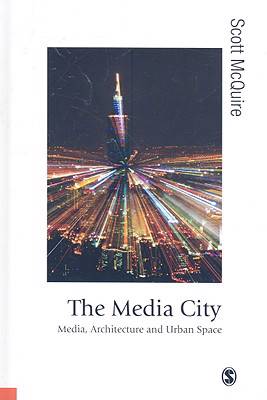
Significant changes are occurring in the social spaces of modern cities and the social functioning of media. This erudite, forceful book argues that the spaces and rhythms of contemporary cities are radically different to those described in classic theories of urbanism. Changes in the city have been paralleled by the transformation of media which has become increasingly mobile, instantaneous and pervasive. The media are no longer separate from the city. Offering social commentary at the deepest levels of historical and critical reference, The Media City links Myspace to Howard Hughes; trams to cinema; security cameras to exploding buildings; reality TV to Marx; and Lenin on privacy to Kracauer on the mass ornament.
Wide-ranging and richly illustrated, it intersects disciplines and connects phenomena which are too often left isolated from each other to propose a new way of understanding public and private space and social life in contemporary cities.
It will find a broad readership in media and communications, cultural studies, social theory, urban sociology, architecture, and art history.
Wide-ranging and richly illustrated, it intersects disciplines and connects phenomena which are too often left isolated from each other to propose a new way of understanding public and private space and social life in contemporary cities.
It will find a broad readership in media and communications, cultural studies, social theory, urban sociology, architecture, and art history.
Specificaties
Betrokkenen
- Auteur(s):
- Uitgeverij:
Inhoud
- Aantal bladzijden:
- 240
- Taal:
- Engels
- Reeks:
Eigenschappen
- Productcode (EAN):
- 9781412907934
- Verschijningsdatum:
- 19/06/2008
- Uitvoering:
- Hardcover
- Formaat:
- Genaaid
- Afmetingen:
- 174 mm x 239 mm
- Gewicht:
- 489 g


Alleen bij Standaard Boekhandel
+ 729 punten op je klantenkaart van Standaard Boekhandel
Cadeau

AANGERADEN


Beoordelingen
We publiceren alleen reviews die voldoen aan de voorwaarden voor reviews. Bekijk onze voorwaarden voor reviews.