


- Afhalen na 1 uur in een winkel met voorraad
- Gratis thuislevering in België vanaf € 30
- Ruim aanbod met 7 miljoen producten
- Afhalen na 1 uur in een winkel met voorraad
- Gratis thuislevering in België vanaf € 30
- Ruim aanbod met 7 miljoen producten





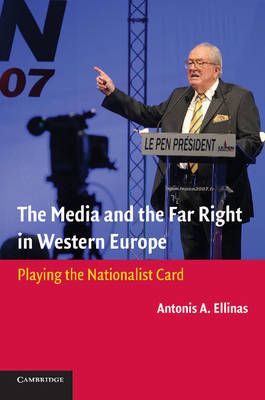
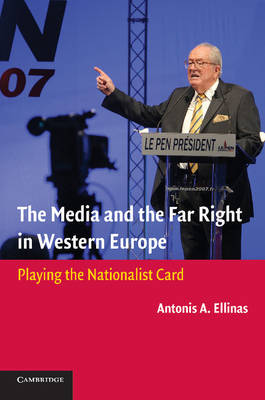
The Media and the Far Right in Western Europe
Playing the Nationalist Card
Antonis A Ellinas
Paperback | Engels
€ 67,95
+ 135 punten
Uitvoering
Omschrijving
This book examines the fascinating interplay of party and media behavior to explain one of the most important phenomena in Western Europe: the rise of far-right parties. To account for the divergent electoral fortunes of these parties, the book examines how political parties and the mass media have dealt with growing public concerns over national identity. Mainstream politicians chose to "play the nationalist card," creating opportunities for the entry of far-right parties into the political system. In some cases, the media gave outsized exposure to such parties, allowing them to capitalize on these opportunities; in other cases, they ignored them, blocking their entry into the political system. Using elite interviews, content analysis, and primary documents to trace identity politics since the 1980s, this book presents an original interpretation of identity politics and media behavior in Austria, Germany, Greece, and France since the 1980s.
Specificaties
Betrokkenen
- Auteur(s):
- Uitgeverij:
Inhoud
- Aantal bladzijden:
- 270
- Taal:
- Engels
Eigenschappen
- Productcode (EAN):
- 9781107437067
- Verschijningsdatum:
- 21/08/2014
- Uitvoering:
- Paperback
- Formaat:
- Trade paperback (VS)
- Afmetingen:
- 152 mm x 229 mm
- Gewicht:
- 399 g


Alleen bij Standaard Boekhandel
+ 135 punten op je klantenkaart van Standaard Boekhandel
Cadeau

AANGERADEN


Beoordelingen
We publiceren alleen reviews die voldoen aan de voorwaarden voor reviews. Bekijk onze voorwaarden voor reviews.