



Je cadeautjes zeker op tijd in huis hebben voor de feestdagen? Kom langs in onze winkels en vind het perfecte geschenk!
- Afhalen na 1 uur in een winkel met voorraad
- Gratis thuislevering in België vanaf € 30
- Ruim aanbod met 7 miljoen producten
Je cadeautjes zeker op tijd in huis hebben voor de feestdagen? Kom langs in onze winkels en vind het perfecte geschenk!
- Afhalen na 1 uur in een winkel met voorraad
- Gratis thuislevering in België vanaf € 30
- Ruim aanbod met 7 miljoen producten





Omschrijving
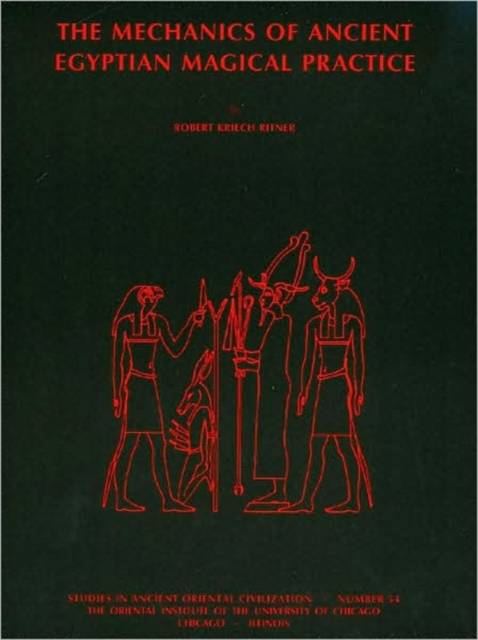
To date, no comprehensive treatment of Egyptian magic has focused on the practice of the magician. Both general studies and textual publications have emphasized instead the religious elements in the contents of recited spells, while the accompanying instructions, with their vignettes and lists of materials, instruments, and ritual actions, remained uninvestigated. This study represents the first critical examination of such "magical techniques," revealing their widespread appearance and pivotal significance for all Egyptian "religious" practices from the earliest periods through the Coptic era, influencing as well the Greco-Egyptian magical papyri. The author also discusses the "pagan-Egyptian" influence on Old and New Testament practices and in the lives of the Coptic Desert Fathers. The third edition is a reprinting of the second, which included minor corrections from the original edition. This volume is a significant revisionist approach to ancient Egyptian magic. As a result of a methodical analysis of both the textual and archaeological records, Ritner concludes that the boundaries between ancient Egyptian magic, religion, and medicine were not as strictly observed as modern commentators believe. Furthermore, he categorically denies the frequent attempts of moderns to define ancient Egyptian magic as a phenomenon dealing with the supernatural, practiced primarily for nefarious purposes sub rosa by strictly observed as modern commentators believe. Furthermore, he categorically denies the frequent attempts of moderns to define ancient Egyptian magic as a phenomenon dealing with the supernatural, practiced primarily for nefarious purposes sub rosa by individuals outside of the religious mainstream. Ritner's engaging prose style and felicitous exegesis of even the most arcane material make for easy reading. But more important still, the content of the work ensures that it will become a vital reference tool for all engaged in any aspect of ancient Egyptian religion. [From a review by R. S. Bianchi in Journal of the American Oriental Society 114 (1994) 513-14].
Specificaties
Betrokkenen
- Auteur(s):
- Uitgeverij:
Inhoud
- Aantal bladzijden:
- 322
- Taal:
- Engels
- Reeks:
- Reeksnummer:
- nr. 54
Eigenschappen
- Productcode (EAN):
- 9780918986757
- Verschijningsdatum:
- 1/12/2008
- Uitvoering:
- Paperback
- Formaat:
- Trade paperback (VS)
- Afmetingen:
- 216 mm x 277 mm
- Gewicht:
- 938 g


Alleen bij Standaard Boekhandel
+ 114 punten op je klantenkaart van Standaard Boekhandel
CADEAU


Beoordelingen
We publiceren alleen reviews die voldoen aan de voorwaarden voor reviews. Bekijk onze voorwaarden voor reviews.