


- Afhalen na 1 uur in een winkel met voorraad
- Gratis thuislevering in België vanaf € 30
- Ruim aanbod met 7 miljoen producten
- Afhalen na 1 uur in een winkel met voorraad
- Gratis thuislevering in België vanaf € 30
- Ruim aanbod met 7 miljoen producten





€ 56,95
+ 113 punten
Uitvoering
Omschrijving
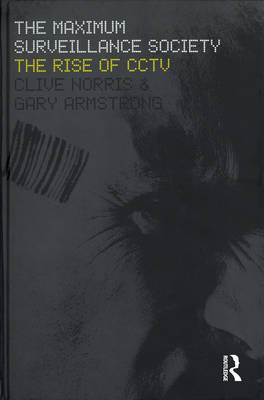
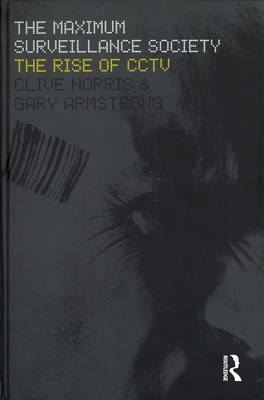
The use of Closed-Circuit Television, or CCTV, has dramatically increased over the past decade, but its presence is often so subtle as to go unnoticed. Should we unthinkingly accept that increased surveillance is in the public's best interests, or does this mean that 'Big Brother' is finally watching us? This book asks provocative questions about the rise of the maximum surveillance society. Is crime control the principal motivation behind increased surveillance or are the reasons more complex? Does surveillance violate peoples' right of privacy? Who gets surveilled and why? What are its implications for social control? Does surveillance actually reduce crime? What will developments in technology mean for the future of surveillance? What rights do individuals under surveillance have? How is the information gathered through CCTV used by the authorities?Based on extensive fieldwork on automated surveillance in Britain over a two-year period, this book not only attempts to answer these vexing questions, but also provides a wealth of detailed information about the reasoning behind and effects of social control.
Specificaties
Betrokkenen
- Auteur(s):
- Uitgeverij:
Inhoud
- Aantal bladzijden:
- 256
- Taal:
- Engels
Eigenschappen
- Productcode (EAN):
- 9781859732267
- Verschijningsdatum:
- 1/09/1999
- Uitvoering:
- Paperback
- Formaat:
- Trade paperback (VS)
- Afmetingen:
- 157 mm x 234 mm
- Gewicht:
- 358 g


Alleen bij Standaard Boekhandel
+ 113 punten op je klantenkaart van Standaard Boekhandel
Cadeau

AANGERADEN


Beoordelingen
We publiceren alleen reviews die voldoen aan de voorwaarden voor reviews. Bekijk onze voorwaarden voor reviews.