


- Afhalen na 1 uur in een winkel met voorraad
- Gratis thuislevering in België vanaf € 30
- Ruim aanbod met 7 miljoen producten
- Afhalen na 1 uur in een winkel met voorraad
- Gratis thuislevering in België vanaf € 30
- Ruim aanbod met 7 miljoen producten





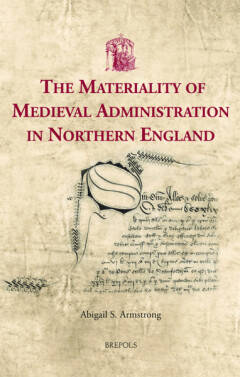
The Materiality of Medieval Administration in Northern England
Abigail Armstrong
€ 100,70
+ 201 punten
Omschrijving
In the late Middle Ages, the Percy earls of Northumberland and the bishops of Durham were two of the largest landholders in the North East of England. This book is a study of their estate administrations based on the extant manorial accounts from the fourteenth through sixteenth centuries. Examining the documents holistically, it investigates the shapes of the records and the materials they were written upon, as well as how they were used and stored to provide new insights into late medieval lordly administration. Such a material-focussed approach explores the concurrent use of rolls, booklets, paper, and parchment for different types of manorial accounts and at different steps of the multistage production and audit process. It also examines the hands drafting, editing, and auditing the accounts, in addition to the layout and presentation of the contents of the records to further our understanding of the written burden of proof required in the management and audit of large estates in late medieval England. Studying the financial accounts of the earls of Northumberland and the bishops of Durham from a material perspective reveals two highly sophisticated administrative systems and structures of accountability.
Specificaties
Betrokkenen
- Auteur(s):
- Uitgeverij:
Inhoud
- Aantal bladzijden:
- 350
- Taal:
- Engels
- Reeks:
- Reeksnummer:
- nr. 59
Eigenschappen
- Productcode (EAN):
- 9782503607436
- Verschijningsdatum:
- 30/06/2024
- Uitvoering:
- Hardcover
- Formaat:
- Genaaid
- Gewicht:
- 621 g


Alleen bij Standaard Boekhandel
+ 201 punten op je klantenkaart van Standaard Boekhandel
Cadeau

AANGERADEN


Beoordelingen
We publiceren alleen reviews die voldoen aan de voorwaarden voor reviews. Bekijk onze voorwaarden voor reviews.