


- Afhalen na 1 uur in een winkel met voorraad
- Gratis thuislevering in België vanaf € 30
- Ruim aanbod met 7 miljoen producten
- Afhalen na 1 uur in een winkel met voorraad
- Gratis thuislevering in België vanaf € 30
- Ruim aanbod met 7 miljoen producten





€ 13,99
+ 13 punten
Omschrijving
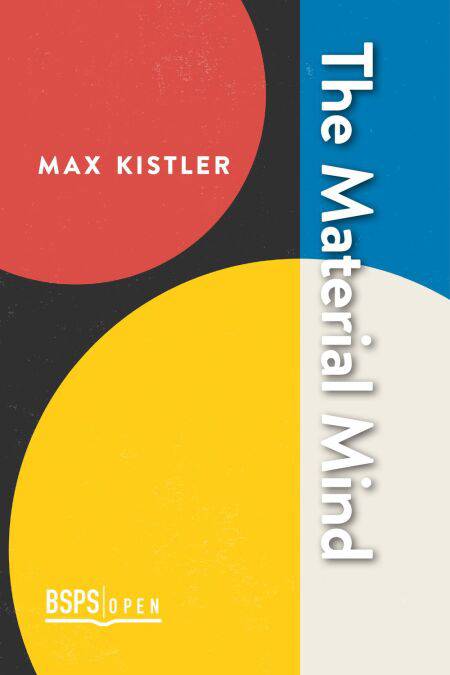
The idea that persons or animals possess properties of two types, physical and mental, or psychological and cognitive, inevitably raises the question of how such cognitive properties can be causally efficacious, with respect to other cognitive, physiological, or physical properties, of the person herself or her environment.
People, though composed exclusively of atoms like any other material object, have emergent properties that none of those components possess. Among them are cognitive properties. These properties give a person the power to cause both cognitive and physiological events and processes. The Material Mind defends a version of reductionist materialism. It modifies the conceptual framework of the debate by situating psychological and physiological properties of persons within a hierarchy of levels of reality.
The Material Mind develops a concept of reduction that is compatible both with scientific change and with the possibility of multiple reduction bases. It shows that cognitive and other higher-level properties can be construed as causal powers, develops a concept of emergence compatible with reduction, and shows that the integration of the mind into a scientific conception of the world does not deprive mental properties and events of causal efficacy. The book defends the possibility of downward causation of physiological effects by cognitive causes, by questioning the justification of both the principle of the causal closure of the physical domain and the principle of causal-explanatory exclusion.
People, though composed exclusively of atoms like any other material object, have emergent properties that none of those components possess. Among them are cognitive properties. These properties give a person the power to cause both cognitive and physiological events and processes. The Material Mind defends a version of reductionist materialism. It modifies the conceptual framework of the debate by situating psychological and physiological properties of persons within a hierarchy of levels of reality.
The Material Mind develops a concept of reduction that is compatible both with scientific change and with the possibility of multiple reduction bases. It shows that cognitive and other higher-level properties can be construed as causal powers, develops a concept of emergence compatible with reduction, and shows that the integration of the mind into a scientific conception of the world does not deprive mental properties and events of causal efficacy. The book defends the possibility of downward causation of physiological effects by cognitive causes, by questioning the justification of both the principle of the causal closure of the physical domain and the principle of causal-explanatory exclusion.
Specificaties
Betrokkenen
- Auteur(s):
- Uitgeverij:
Inhoud
- Aantal bladzijden:
- 306
- Taal:
- Engels
- Reeks:
Eigenschappen
- Productcode (EAN):
- 9781773856094
- Verschijningsdatum:
- 15/04/2025
- Uitvoering:
- E-book
- Beveiligd met:
- Digital watermarking
- Formaat:
- ePub


Alleen bij Standaard Boekhandel
+ 13 punten op je klantenkaart van Standaard Boekhandel
Cadeau

AANGERADEN


Beoordelingen
We publiceren alleen reviews die voldoen aan de voorwaarden voor reviews. Bekijk onze voorwaarden voor reviews.