


- Afhalen na 1 uur in een winkel met voorraad
- Gratis thuislevering in België vanaf € 30
- Ruim aanbod met 7 miljoen producten
- Afhalen na 1 uur in een winkel met voorraad
- Gratis thuislevering in België vanaf € 30
- Ruim aanbod met 7 miljoen producten





€ 164,45
+ 328 punten
Omschrijving
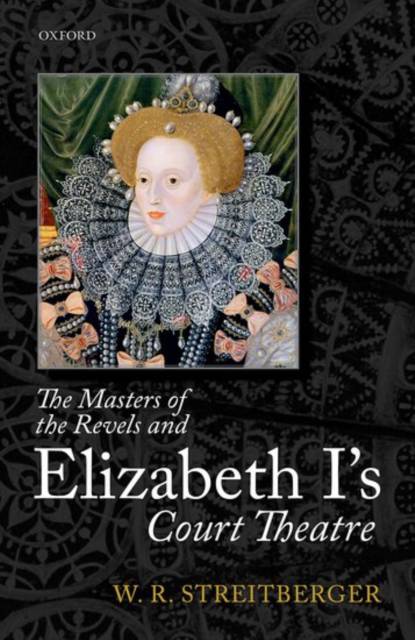
The Masters of the Revels and Elizabeth I's Court Theatre places the Revels Office and Elizabeth I's court theatre in a pre-modern, patronage and gift-exchange driven-world of centralized power in which hospitality, liberality, and conspicuous display were fundamental aspects of social life. W.R. Streitberger reconsiders the relationship between the biographies of the Masters and the conduct of their duties, rethinking the organization and development of the Office, re-examining its productions, and exploring its impact on the development of the commercial theatre. The nascent capitalist economy that developed alongside and interpenetrated the gift-driven system that was in place during Elizabeth's reign became the vehicle through which the Revels Office along with the commercial theatre was transformed. Beginning in the early 1570s and stretching over a period of twenty years, this change was brought about by a small group of influential Privy Councillors. When this project began in the early 1570s the Queen's revels were principally in-house productions, devised by the Master of the Revels and funded by the Crown. When the project was completed in the late 1590s, the Revels Office had been made responsible for plays only and put on a budget so small that it was incapable of producing them. That job was left to the companies performing at court. Between 1594 and 1600, the revels consisted almost entirely of plays brought in by professional companies in the commercial theatres in London. These companies were patronized by the queen's relatives and friends and their theatres were protected by the Privy Council. Between 1594 and 1600, for example, all the plays in the revels were supplied by the Admiral's and Chamberlain's Players which included writers such as Shakespeare, and legendary actors such as Edward Alleyn, Richard Burbage, and Will Kempe. The Queen's revels essentially became a commercial enterprise, paid for by the ordinary Londoners who came to see these companies perform in selected London theatres which were protected by the Council.
Specificaties
Betrokkenen
- Auteur(s):
- Uitgeverij:
Inhoud
- Aantal bladzijden:
- 336
- Taal:
- Engels
Eigenschappen
- Productcode (EAN):
- 9780198719670
- Verschijningsdatum:
- 25/04/2016
- Uitvoering:
- Hardcover
- Formaat:
- Genaaid
- Afmetingen:
- 155 mm x 236 mm
- Gewicht:
- 639 g



Alleen bij Standaard Boekhandel
+ 328 punten op je klantenkaart van Standaard Boekhandel
AANGERADEN


Beoordelingen
We publiceren alleen reviews die voldoen aan de voorwaarden voor reviews. Bekijk onze voorwaarden voor reviews.