


- Afhalen na 1 uur in een winkel met voorraad
- Gratis thuislevering in België vanaf € 30
- Ruim aanbod met 7 miljoen producten
- Afhalen na 1 uur in een winkel met voorraad
- Gratis thuislevering in België vanaf € 30
- Ruim aanbod met 7 miljoen producten





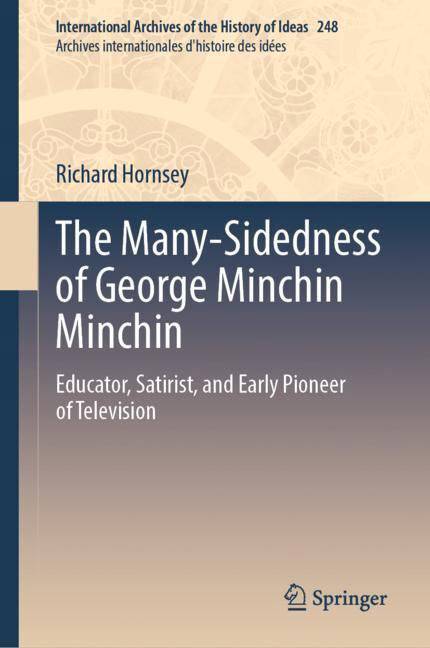
The Many-Sidedness of George Minchin Minchin
Educator, Satirist, and Early Pioneer of Television
Richard Hornsey
€ 129,95
+ 259 punten
Uitvoering
Omschrijving
This book is the first complete biography of George Minchin Minchin (1845-1914), professor of applied mathematics at the Royal Indian Engineering College. Minchin's extraordinary range of accomplishments offers a unique inside view of the major technological and educational developments of late nineteenth century Britain. The scientific community's excitement during the early days of electromagnetic theory, wireless telegraphy, and x-rays are revealed by Minchin's letters to eminent friends (notably the Maxwellians, Oliver Lodge and George Francis Fitzgerald). This book also traces Minchin's little-known pioneering work on photoelectricity, which led to the first electrical measurements of starlight and laid the foundations for solar cells and television. Minchin's mathematical textbooks were praised for their lucidity, and his advanced pedagogical thinking underpinned his lifelong work on reforming science education. He explained scientific concepts for a general audience using science fiction poetry and critiqued contemporary society in sharp and humorous satires. These works provide fresh perspectives on the place of science in Victorian society. This book is for anyone fascinated by the late nineteenth century revolution in electrical technologies.This is also a valuable read for historians of science, and for those interested in technical education, and science and society in Victorian Britain.
Specificaties
Betrokkenen
- Auteur(s):
- Uitgeverij:
Inhoud
- Aantal bladzijden:
- 286
- Taal:
- Engels
- Reeks:
- Reeksnummer:
- nr. 248
Eigenschappen
- Productcode (EAN):
- 9783031402425
- Verschijningsdatum:
- 02/10/2023
- Uitvoering:
- Hardcover
- Formaat:
- Genaaid
- Afmetingen:
- 156 mm x 234 mm
- Gewicht:
- 603 g



Alleen bij Standaard Boekhandel
+ 259 punten op je klantenkaart van Standaard Boekhandel
Cadeau

AANGERADEN


Beoordelingen
We publiceren alleen reviews die voldoen aan de voorwaarden voor reviews. Bekijk onze voorwaarden voor reviews.