


- Afhalen na 1 uur in een winkel met voorraad
- Gratis thuislevering in België vanaf € 30
- Ruim aanbod met 7 miljoen producten
- Afhalen na 1 uur in een winkel met voorraad
- Gratis thuislevering in België vanaf € 30
- Ruim aanbod met 7 miljoen producten





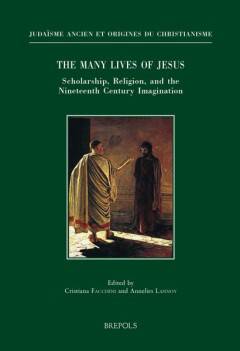
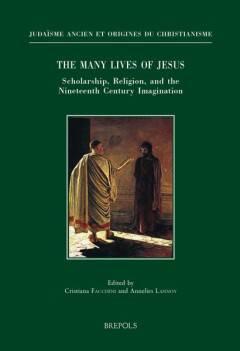
The Many Lives of Jesus
Scholarship, Religion, and the Nineteenth Century Imagination
Cristiana Facchini
€ 84,80
+ 169 punten
Omschrijving
This collection of essays aims to offer a multi-disciplinary approach to nineteenth and early twentieth century scholarship on Jesus and early Christianity, which illustrates the width and depth of the questions that critical reflections on the historical Jesus raised in and beyond the field of liberal theology. More precisely, it focuses on Jesus scholarship as practiced in various disciplines and fields that engaged with the academic study of religion. On the other hand, this volume aims for a comprehensive, multi-perspectivist historicization of this scholarship, considering the full range of religious, cultural, racial, political, and national dynamics that hosted the many controversies over the historical Jesus. Divided into five sections, the eleven essays in this book are organized according to guiding themes and a loose chronological structure. The first section revisits the roots of the Forschung in Liberal-Protestant Germany, and especially focuses on the maturation of historical-critical consciousness in the work of Reimarus (and his predecessors), Schleiermacher and Strauss. The second section is concerned with the rise of the "oriental Jesus" against the background of the making of the academic, non-theological study of religion as a scientific discipline. The third section explores how themes related to the historical Jesus and the rise of Christianity were treated among different academic disciplines from the early second half of the nineteenth century onwards. The fourth section explores how the historical Jesus was at the same time further explored by the biblical scholars and theologians who integrated new comparative methods in their research. The fifth section, finally, highlights the cultural-political appropriations that were made of scholarly writings on Jesus, which not rarely constituted the bricks with which radical political movements built their houses.
Specificaties
Betrokkenen
- Auteur(s):
- Uitgeverij:
Inhoud
- Aantal bladzijden:
- 300
- Taal:
- Engels
- Reeks:
- Reeksnummer:
- nr. 3
Eigenschappen
- Productcode (EAN):
- 9782503602561
- Verschijningsdatum:
- 18/07/2024
- Uitvoering:
- Paperback
- Formaat:
- Trade paperback (VS)
- Afmetingen:
- 155 mm x 234 mm
- Gewicht:
- 576 g


Alleen bij Standaard Boekhandel
+ 169 punten op je klantenkaart van Standaard Boekhandel
Cadeau

AANGERADEN


Beoordelingen
We publiceren alleen reviews die voldoen aan de voorwaarden voor reviews. Bekijk onze voorwaarden voor reviews.